

Introduction
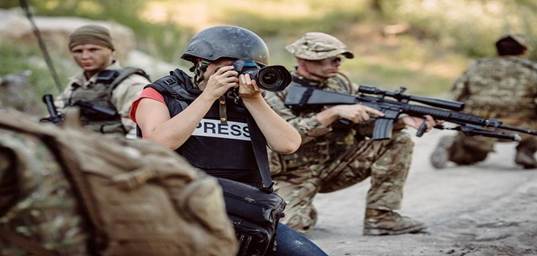
The media plays a crucial role in shaping public opinion and perception of wars and conflicts around the world. Through their reporting, journalists provide a window into the complexities, human impact, and geopolitical implications of these events. This section investigates the complex dynamics of media coverage of wars and conflict, exploring the role of journalism, ethical considerations, and prominent recent examples that demonstrate the challenges faced by media professionals in this critical domain.
Covering wars and conflicts demands a delicate balance between providing accurate information and upholding ethical standards. Journalists play a vital role in informing the public, exposing human suffering, and holding all parties accountable. By navigating challenging environments, adhering to professional standards, and providing balanced perspectives, journalists contribute to a deeper understanding of the complexities and consequences of wars and conflicts.
1. Role of Journalism in Conflict Zones
Media coverage of wars and conflicts provides crucial information about the human toll, humanitarian crises, and the broader geopolitical implications. Journalists act as eyewitnesses, relaying stories from the frontlines, documenting atrocities, and giving voice to affected communities. Their presence and reporting serve as a catalyst for public awareness, humanitarian response, and international intervention.
2. Ethical Challenges and Responsible Reporting
Journalists face numerous ethical challenges when covering wars and conflicts. They must balance the imperative of reporting accurately with the sensitivity of the situation and the potential impact on the safety of those involved. Respecting the privacy and dignity of victims, verifying sources, and avoiding the dissemination of misinformation are vital considerations for responsible reporting in conflict zones.
3. Balancing Objectivity and Advocacy
The line between objective reporting and advocacy journalism becomes blurred in conflicts where human rights abuses, political oppression, and humanitarian crises prevail. Journalists must navigate this delicate balance, presenting accurate information while providing a platform for marginalized voices, raising awareness, and advocating for justice. The challenge lies in maintaining professionalism and fairness without compromising the truth.
4. Prominent Recent Examples
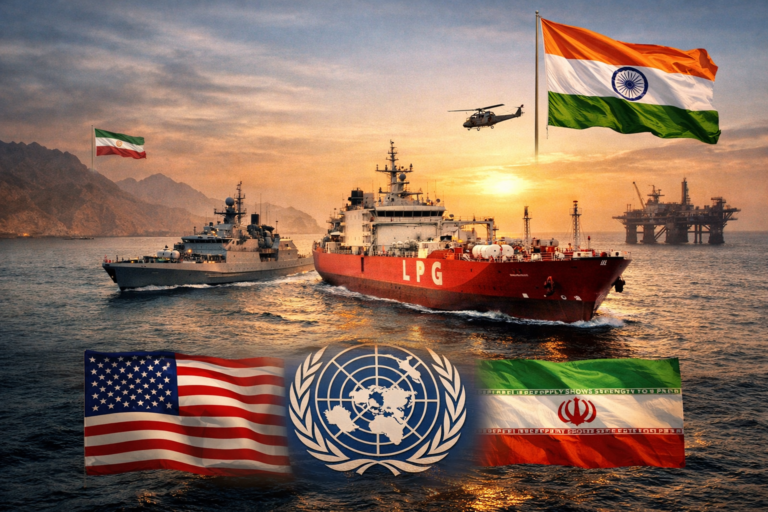
Prominent recent examples of media coverage of wars and conflicts include the Syrian civil war, conflicts in Yemen and Afghanistan, and regional tensions in the Middle East. Journalists have documented the humanitarian crises, civilian casualties, and geopolitical complexities of these conflicts, shedding light on their far-reaching consequences. Their reporting has influenced public opinion, humanitarian responses, and international policies.
5. Humanizing the Impact
Media coverage of wars and conflicts should prioritize human stories, highlighting the impact on individuals and communities affected by violence. Journalists humanize the conflict by sharing personal narratives, providing insights into the lived experiences of those caught in the crossfire. By amplifying these voices, media coverage fosters empathy and raises awareness of the human cost of war.
6. Media Manipulation and Propaganda
In conflicts, media manipulation and propaganda play a significant role in shaping narratives and influencing public opinion. Journalists must critically evaluate information, fact-check claims, and maintain independence from partisan agendas. By exposing misinformation, exposing propaganda, and providing balanced analysis, media coverage helps counter manipulation and supports a more informed understanding of conflicts.
Media coverage of wars and conflicts serves as a vital conduit of information, shedding light on the complexities, human suffering, and geopolitical implications. Journalists, as frontline witnesses, play a crucial role in informing the public, holding parties accountable, and advocating for peace and justice. By upholding ethical standards, presenting diverse perspectives, and humanizing the impact, media students can contribute to responsible and impactful coverage of wars and conflicts, thereby fostering greater understanding and promoting a more peaceful world.
About the Author