ONGC Launches $1 Billion Daman Gas Project in Arabian Sea to Boost Domestic Supply, Cut Imports


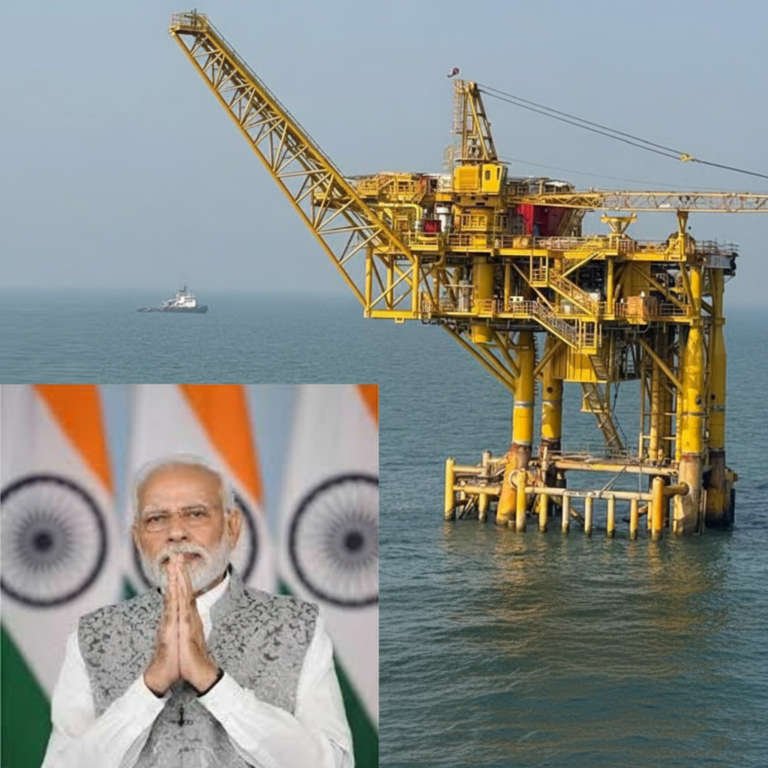
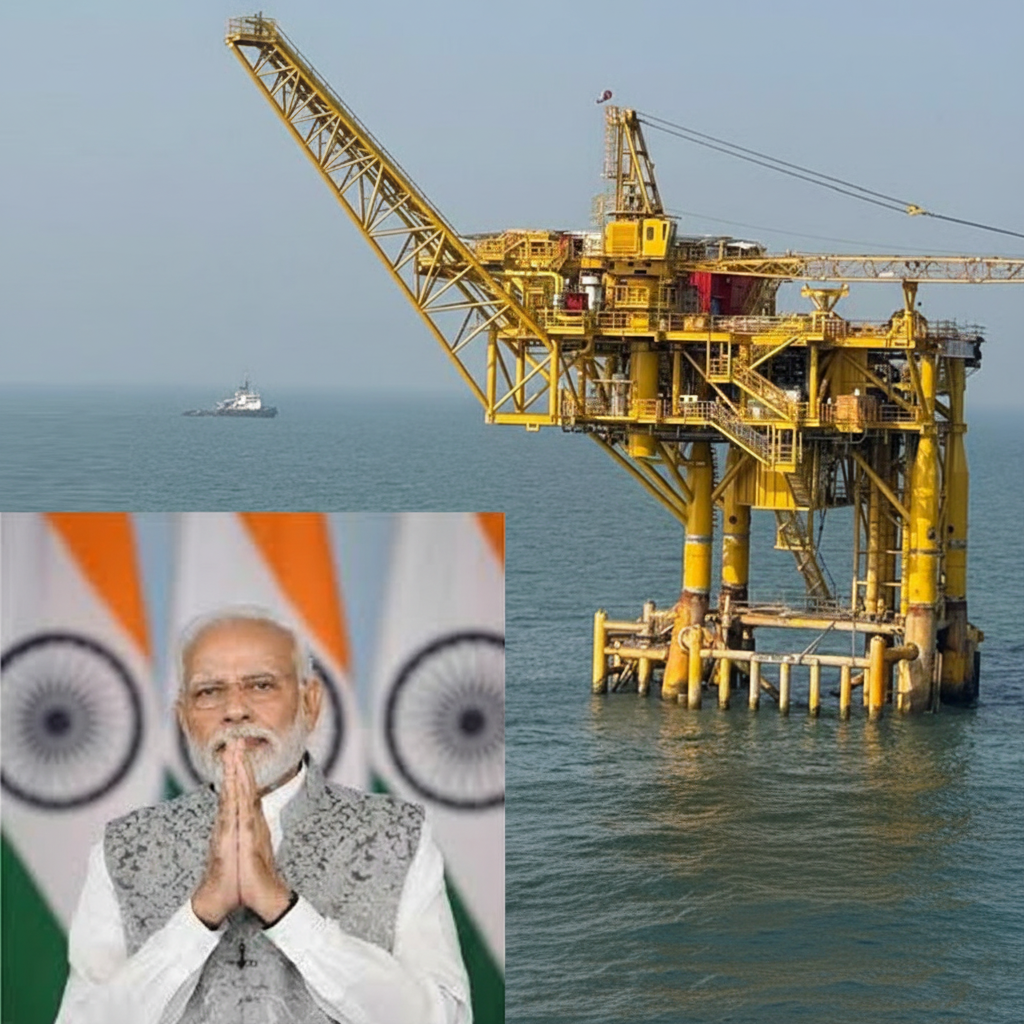
State-owned Oil and Natural Gas Corporation (ONGC) has officially begun natural gas production from its Daman Upside Development Project (DUDP) in the Arabian Sea, about 180 km northwest of Mumbai. The $1 billion project began flowing gas from Platform B-12-24P on March 29, 2026, aimed at boosting domestic supply and reducing import dependence.
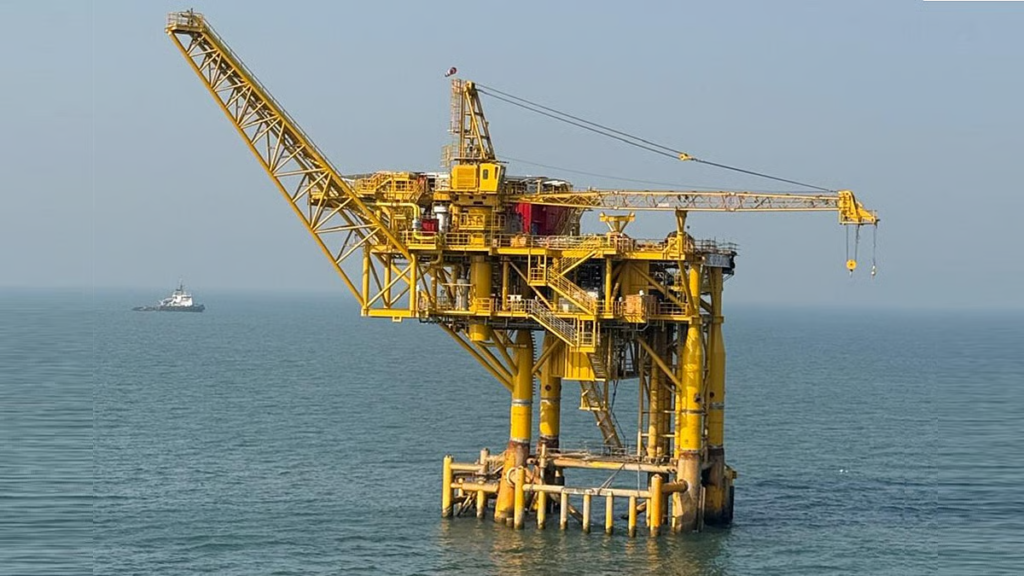
India’s natural gas production in the Arabian Sea, particularly near Daman by the Oil and Natural Gas Corporation (ONGC), is receiving considerable attention due to its potential to enhance the country’s energy security and reduce dependence on imports. The recent discoveries and increased output from this region underscore India’s commitment to harnessing its hydrocarbon resources effectively.
The geological formations rich in hydrocarbons have long recognized the Arabian Sea, but the Daman area has emerged as a crucial production zone. The latest estimates suggest that ONGC has successfully drilled multiple wells in this offshore region, leading to a substantial increase in gas output. This boost is not only pivotal for domestic consumption but also positions India strategically within the global energy market.
In a series of exploratory drilling initiatives, ONGC has identified promising reserves of natural gas, with operations expanding to encompass advanced extraction techniques. Cutting-edge technology and a focus on safety and environmental sustainability supplement these efforts. The organization aims to ensure that production activities do not adversely impact marine biodiversity while maximizing output.
Experts suggest that the potential reserves in the Arabian Sea could make a significant contribution to India’s overall natural gas targets as set by national energy policies. The government’s push for cleaner energy sources aligns with the emphasis on natural gas as a transition fuel, facilitating a shift from more polluting forms of energy. This development is particularly relevant given India’s commitments under international climate agreements to reduce emissions and enhance energy efficiency.
The economic implications are also paramount; local economies in regions surrounding Daman are expected to benefit from job creation in the oil and gas sector, alongside ancillary industries. As ONGC ramps up production capabilities, we can anticipate a multiplier effect on local businesses and improvements in infrastructure. Furthermore, greater gas availability may help stabilize domestic gas prices, which have experienced volatility recently.
Extensive research into the geological characteristics of the seabed and surrounding areas supports ONGC’s operations in Daman. The company has partnered with various stakeholders, including academic institutions and environmental organizations, to ensure a comprehensive approach to resource extraction. These collaborations aim to mitigate ecological risks while exploring innovative solutions for gas production.
Looking ahead, the Indian government remains optimistic about tapping further potential reserves in the Arabian Sea. Future investments in infrastructure, such as pipelines and processing facilities, are crucial for sustaining long-term production and ensuring that natural gas can be efficiently transported to consumer markets across the nation.
As the world moves towards a more diversified energy mix, India’s progress in natural gas production supports national development goals and enhances its influence in regional energy dialogues. Maintaining a robust offshore presence will be vital in navigating energy security in an increasingly interconnected globe.
In conclusion, as ONGC forges ahead with its initiatives in Daman, the implications for India’s gas production landscape are profound. Continued investment, innovation, and commitment to sustainable practices will be key as the nation aims to establish itself as a major player in the global energy arena, with the Arabian Sea at the forefront of this evolving narrative.
Key Points of Project
Background:
- India has significant natural gas reserves in the offshore regions of the Arabian Sea.
- The Krishna-Godavari (KG) Basin, Mumbai High, and the KG-D6 Block are home to the most notable offshore gas fields.
Key Milestones:
- Mumbai High Field: Discovered in 1974, it became one of India’s largest producers of crude oil and associated natural gas.
- KG-D6 Block (Krishna-Godavari Basin): Operated by Reliance Industries, commercial gas production started in April 2009. This deepwater field marked an important milestone in utilizing India’s offshore resources.
- Recent Developments: In 2023, Reliance Industries and BP (British Petroleum) started production from the MJ field (also known as MJ-1) in the KG-D6 block, further boosting domestic gas output.
Significance:
- Gas production from the Arabian Sea helps India reduce dependence on imported energy.
- Supports energy security and the transition to cleaner fuels.
Current Status:
- India continues to invest in deepwater exploration and development in the Arabian Sea.
- Major players include ONGC (Oil and Natural Gas Corporation), Reliance Industries, and BP.
Example News (2023):
Reliance Industries and BP commenced production from the MJ field in the Krishna-Godavari Basin (Arabian Sea), expected to meet nearly 15% of India’s domestic gas demand.
About the Author