Atish Singh

I. RURAL MARKET STRATEGIES WITH SPECIAL REFERENCE TO SEGMENTATION, TARGETING, AND POSITIONING.

Introduction
Segmentation

Rural markets in India are segmented based on factors such as geography (villages, regions), demographics (age, income, occupation), psychographics (lifestyle, aspirations), and purchasing behavior. For example, HUL segments rural consumers by income and product usage patterns, identifying needs for basic hygiene and affordable products.

Targeting

After identifying the segments, companies choose the target groups that best align with their products. For rural India, companies often target low- and middle-income groups seeking value for money and essential goods. For instance, Coca-Cola targeted rural youth and families by launching smaller, affordable “Chota Coke” bottles at ₹5, making it accessible to rural consumers.

Positioning

Brands position their offerings by aligning with rural aspirations, trust, and value. HUL positions its “Lifebuoy” soap around health and hygiene, communicating its benefits through local influencers and rural media. Likewise, ITC’s e-Choupal initiative positioned ITC as a farmer-friendly company by providing digital resources and transparent pricing, building trust and loyalty.

A. SEGMENTATION

Segmentation involves dividing the rural market into distinct groups based on various characteristics to better understand consumer needs and tailor marketing efforts.


Types of Segmentation in Rural Markets:

  1. Geographic Segmentation:
    • Dividing rural areas by regions, states, climate, or village size.
    • Example: FMCG companies often design different product packages for North vs. South India due to climate differences.
  2. Demographic Segmentation:
    • This segmentation is based on factors such as age, gender, income, education, and occupation.
    • Example: Tata Tea targets different age groups with its “Jaago Re” campaign, focusing on youth and middle-aged adults.
  3. Behavioral Segmentation:
    • This segmentation is based on factors such as usage rate, brand loyalty, and purchasing behavior.
    • Example: Mobile companies offer special recharge plans for heavy users in rural areas.
  4. Psychographic Segmentation:
    • This segmentation is based on factors such as lifestyle, values, and aspirations.
    • Example: Tractor companies segment farmers by aspirations—some want basic utility, others want advanced technology.

Case Studies & Examples:

1. HUL’s Project Shakti:
Hindustan Unilever Limited (HUL) segmented rural women with entrepreneurial aspirations and trained them to become direct-to-home sales agents (Shakti Ammas). This approach tapped into women as both consumers and influencers, allowing HUL to reach the “household decision-maker” segment in rural India.

2. ITC e-Choupal:
ITC segmented rural farmers based on crop type and region to launch its e-Choupal initiative. The company set up digital kiosks in villages, providing market information tailored to different segments (soybean farmers in Madhya Pradesh, wheat farmers in Uttar Pradesh, etc.).

3. Coca-Cola’s “Chhota Coke”:
Coca-Cola segmented the market by purchasing power and consumption patterns, introducing a ₹5 “Chhota Coke” (small Coke) for low-income rural consumers who preferred affordable, single-use products.

4. LG’s Rural Appliances:
LG Electronics segmented villages by electricity availability and income levels, launching semi-automatic washing machines and “Power Cut” TVs tailored for rural households.


Summary:
Segmentation in rural markets helps companies identify specific consumer needs and develop targeted strategies. Successful brands like HUL, ITC, Coca-Cola, and LG use geographic, demographic, behavioral, and psychographic segmentation to effectively penetrate rural India.

B. TARGETING IN RURAL MARKET STRATEGIES

Targeting refers to selecting specific segments identified through segmentation and focusing marketing efforts on them to maximize effectiveness in rural markets.


Key Approaches to Targeting in Rural Markets:

  1. Focusing on Income Groups
    • Companies often target low- and middle-income consumers by offering affordable products and value packs.
    • Example: Coca-Cola’s “Chhota Coke” at ₹5 was designed to target cost-sensitive rural customers, making the brand accessible to a wider audience.
  2. Targeting Women as Influencers
    • Recognizing that women often make household purchasing decisions, campaigns are tailored to engage them directly.
    • Case Study: HUL’s Project Shakti
      HUL targeted rural women by training them as direct sales agents (“Shakti Ammas”), empowering them and using their local influence to expand product reach in villages.
  3. Targeting Rural Youth
    • Brands target younger rural consumers, who are aspirational and open to new products.
    • Example: Hero MotoCorp tailors advertising for affordable motorcycles to young men in villages, highlighting style and fuel efficiency.
  4. Village Size and Accessibility
    • Companies may target larger or more accessible villages first for logistical efficiency.
    • Example: ITC’s e-Choupal program began in larger, agriculturally important villages, targeting progressive farmers who could influence others.
  5. Occupation-Based Targeting
    • Brands target farmers, artisans, or small business owners with products suited to their needs.
    • Example: Mahindra Tractors targets small and marginal farmers needing affordable, fuel-efficient tractors.

Case Studies

  • HUL’s Wheel Detergent:
    Targeted low-income rural households with a low-cost detergent, distributed via local retail networks and direct saleswomen.
  • Colgate-Palmolive:
    Targeted rural families by promoting oral hygiene education in schools, building trust, and encouraging mothers to adopt Colgate for their children.
  • Godrej Chotu Kool:
    Targeted rural households without refrigerators, offering a compact, affordable fridge designed for the rural market.

Summary:
Targeting in rural markets is about understanding specific needs—be it cost, convenience, or local influence—and tailoring strategies to reach and win over key consumer groups. Successful brands like HUL, Coca-Cola, and Mahindra have grown in rural India by precisely identifying and targeting their ideal rural customers.

C. POSITIONING IN RURAL MARKET STRATEGIES

Positioning involves creating a distinct image and value proposition for a product or brand in the minds of rural consumers, often by connecting with their aspirations, values, and daily needs.


Examples and Case Studies

1. Mahindra Tractors—“Rise“for Good” Positioning
Mahindra positioned its tractors as partners in progress for the Indian farmer. The brand emphasizes reliability, ruggedness, and empowerment, using slogans like “Rise for Good.” Mahindra’s rural marketing focuses on demos, farmer meets, and real-life success stories, making the tractor a symbol of pride and aspiration for progressive farmers.

2. Hero MotoCorp – “Har Ghar Mein Hero”
Hero MotoCorp positioned its motorcycles as affordable, fuel-efficient, and reliable vehicles for the rural youth and families. Through targeted campaigns like “Har Ghar Mein Hero” (“A Hero in Every Home”), the brand associates bike ownership with upward mobility and independence, resonating with rural aspirations.

3. Godrej ChotuKool—“Cooling“for All”
Godrej positioned ChotuKool as an innovative, affordable cooling solution for rural households lacking access to traditional refrigerators. The product is marketed as simple, portable, and specifically designed for rural conditions, making refrigeration accessible and aspirational.

4. Emami Navratna Oil—“Thanda Thanda Cool Cool.”
Emami positioned Navratna Oil as a remedy for the stresses and heat of rural life, using the tagline, “Thanda Thanda Cool Cool.” The brand focused on the cooling and stress-relief aspects in its communication, using local language ads and rural influencers to reinforce the product’s relevance.

5. CavinKare Chik Shampoo—“Sastha“aur Accha”
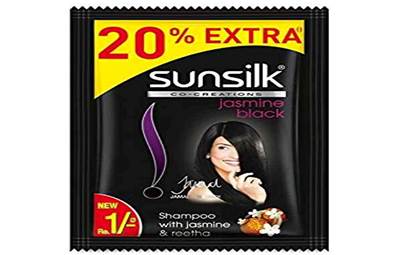
CavinKare positioned Chik Shampoo in the rural market as a high-quality yet affordable product, introducing single-use sachets priced at ₹1. This made shampoo accessible to rural consumers and positioned Chik as a “value-for-money” brand for households with limited budgets.


Summary:
Effective rural positioning involves understanding rural needs and aspirations, then crafting a message that connects emotionally and practically. Brands like Mahindra, Hero MotoCorp, Godrej, Emami, and CavinKare have succeeded by positioning their products as solutions to rural problems and symbols of progress.


Rural consumer V/s Urban consumers-

A. Understanding basic difference between Rural and urban consumers’ behavior

B. Understanding the nature of competition in rural marketing.

Introduction

In India, rural consumers value quality, durability, and community involvement more than urban consumers who seek ease, brands, and trends. This is because rural spending (68.84% of population) is higher than urban spending (31.16%). Because their wages change with the seasons, people in rural areas like small packs and local shops, while people in cities choose high-end, tech-driven purchases. In rural areas, loyalty is shown through symbols, and in cities, it’s shown through ads.

Key Differences

AspectRural ConsumersUrban Consumers
Purchase FrequencyWeekly, small packs for affordability ​Less frequent, bulk/economy packs ​
Brand LoyaltyHigh via color/logo, less ad-driven ​Brand-conscious, influenced by trends ​
Shopping ChannelsVillage shops, haats for credit/bargains ​Malls, online for convenience ​
Decision FactorsFamily/elders, price sensitivity ​Individual, tech/products ​
Product PreferenceDurables for utility, sachets ​Advanced gadgets, fast food ​

Examples

Rural: Bihar villagers buy FMCG sachets post-Digital India exposure, valuing presence over ads. Urban: Delhi youth prefer online fast food via apps, prioritizing speed. Rural favors two-wheelers for practicality; urban opts luxury cars for status.​

Case Studies

Godrej’s “Godrej Ki Doli” campaign reached 1 crore+ rural consumers in 28,000 UP/AP/Maharashtra villages via door-to-door, contacting 1.7 lakh retailers and building loyalty without heavy ads. Bihar online buying study showed rural 35% rise via YouTube, but urban leads in tech adoption due to infrastructure. Migrants from rural to urban retain haat habits initially but shift to malls.

A. BASIC DIFFERENCES BETWEEN RURAL AND URBAN CONSUMER BEHAVIOR

1. Income and Spending Power

  • Rural Consumers: Usually have lower and more irregular incomes, leading to cautious spending and preference for affordable products.
  • Urban Consumers: Typically have higher, more stable incomes, allowing greater discretionary spending and willingness to try premium or new products.

2. Product Awareness and Information Sources

  • Rural Consumers: Rely more on word-of-mouth, local opinion leaders, and traditional media (radio, regional TV). Advertising impact is limited unless localized.
  • Urban Consumers: Exposed to multiple information channels like digital media, TV, print, social networks. More aware of brands and product options.

3. Buying Behavior

  • Rural Consumers: Prefer small pack sizes (sachets, single-use), buy less frequently, and make purchases mostly from local kirana stores or markets. Price sensitivity is high.
  • Urban Consumers: Buy in bulk or larger packs, shop more frequently in supermarkets, malls, and online platforms. More brand and quality conscious.

4. Brand Loyalty

  • Rural Consumers: Less brand loyal; will switch brands for price or availability.
  • Urban Consumers: More likely to be brand loyal, influenced by advertising and perceived quality.

5. Influencers

  • Rural Consumers: Influenced by family, community leaders, and local traditions.
  • Urban Consumers: Influenced by celebrities, social media influencers, peer groups, and advertising.

6. Payment Methods

  • Rural Consumers: Prefer cash; digital payment adoption is growing but still limited.
  • Urban Consumers: Comfortable with digital payments, cards, and wallets.

Example

  • Shampoo Purchase:
    • Rural Consumer: Buys ₹1 sachet from a kirana shop, influenced by neighbor’s recommendation.
    • Urban Consumer: Buys a branded family-size bottle from a supermarket or online, influenced by TV/online ads.

Case Study 1: Sachet Revolution (Hindustan Unilever Limited)

Problem:
HUL’s shampoo bottles were too expensive for rural consumers, who were hesitant to spend a large amount at once.

Solution:
HUL introduced ₹1 shampoo sachets, making the product affordable and accessible for rural consumers who preferred buying in small quantities.

Impact:

  • Massive increase in rural sales.
  • Urban consumers continued buying large bottles, valuing convenience and long-term savings.

Learning:
Rural consumers prioritize affordability and immediate needs, while urban consumers value convenience and are less sensitive to price per unit.


Case Study 2: Mobile Phones – JioPhone vs. Smartphones

Situation:
Urban consumers demand smartphones with advanced features for communication, work, and entertainment.

Solution for Rural Markets:
Reliance Jio launched the JioPhone, an affordable internet-enabled feature phone, catering to rural needs for basic connectivity and long battery life.

Impact:

  • JioPhone saw massive rural adoption.
  • Urban buyers continued purchasing high-end smartphones (Samsung Galaxy, iPhone).

Learning:
Urban consumers seek technology and status, while rural consumers focus on essential functions and affordability.


Case Study 3: Media Consumption and Advertising

Scenario:
A detergent brand wants to reach both rural and urban markets.

Approach:

  • Urban: Runs TV and digital ad campaigns featuring celebrities, and partners with e-commerce sites.
  • Rural: Sponsors local events, uses folk media, and organizes product demonstrations at village fairs, relying on word-of-mouth.

Impact:
Urban sales rise due to aspirational advertising; rural sales grow through trust-building, personal interaction, and localized messaging.

Conclusion:

Rural consumer behavior is driven by price, accessibility, and local influence, while urban consumer behavior is shaped by higher income, brand value, modern retail, and digital exposure. Successful businesses tailor their strategies to these fundamental differences.

B. UNDERSTANDING THE NATURE OF COMPETITION IN RURAL MARKETING

Nature of Competition in Rural Markets

  1. Fragmented Market: Many small players and unorganized local brands compete with large national brands.
  2. Low Brand Loyalty: Rural consumers often switch brands based on price, availability, or local influence.
  3. Price Sensitivity: Price is a key factor; even a small difference can sway consumers.
  4. Distribution Challenges: Companies compete to reach remote locations and ensure product availability.
  5. Communication Barriers: Marketing must overcome language, literacy, and cultural diversity.
  6. Trust and Relationship Building: Local relationships and word-of-mouth are vital; brands often compete for trust as much as for sales.
  7. Product Adaptation: Competition may lead to product modifications (smaller packs, local flavors, etc.) to suit rural needs.
  8. Non-traditional Promotions: Competitors use fairs, melas, van campaigns, and local influencers instead of only mass media.

Case Studies and Examples

Case Study 1: HUL vs. Local Brands – Detergent Market

Scenario:
Hindustan Unilever Limited (HUL) markets Wheel detergent in rural India, but faces competition from local, unbranded detergents sold at lower prices.

Competitive Strategies:

  • HUL introduced smaller, affordable sachets.
  • Launched rural-specific promotions (e.g., “Wheel Lucky Draw” at village fairs).
  • Built a robust rural distribution network using local wholesalers.

Outcome:
Wheel became a leading rural brand, but HUL had to continually innovate on price, pack size, and promotions due to persistent competition from local brands.


Case Study 2: Colgate vs. Neem Sticks

Scenario:
Rural India traditionally used neem sticks for oral hygiene.

Competitive Approach:

  • Colgate marketed toothpaste in small sachets to make it affordable.
  • Ran educational campaigns in villages about dental hygiene, sometimes partnering with local health workers.
  • Sponsored rural events and distributed free samples.

Outcome:
Colgate became the No.1 toothpaste in rural India, but competition from traditional practices and local brands remains strong, requiring ongoing education and adaptation.


Case Study 3: Britannia vs. Local Bakeries

Scenario:
Britannia aimed to grow biscuit sales in villages where local bakeries sold loose, unpackaged biscuits.

Competitive Moves:

  • Introduced low-priced “Tiger” biscuits in small packs (₹2–₹5).
  • Partnered with rural retailers and offered incentives.
  • Used mobile vans to reach remote villages, creating brand visibility.

Outcome:
Britannia gained a strong rural presence, but continues to face price and availability competition from local bakers.

INSTAGRAM
error: Content is protected !!