Entertainment

Introduction

Introduction

The business of film production operates as a high-risk, capital-intensive pipeline divided into pre-production (planning, 20-30% budget), production (shooting, 50-60% budget), and post-production (polishing, 20-30% budget), where producers manage timelines, crews, and finances to deliver a marketable product. The business of film involves three major stages: pre-production, production, and post-production. Each stage has distinct activities, roles, and financial considerations. Here’s an overview:
1. Pre-Production

This phase builds the blueprint: finalize the script, secure funding, cast actors, scout locations, storyboard shots, create budgets/schedules, and hire key crew (e.g., DP, production designer). It minimizes overruns by locking logistics.

Case Study: “Paranormal Activity” (2007): Oren Peli self-financed $15,000 for script polish, single-location home setup, and handheld camera tests; pre-vis focused on minimalism (no VFX), enabling a 40-day micro-budget shoot that grossed $193M.

Key Activities:

  • Scriptwriting and Development: Creating and finalizing the screenplay or script.
  • Budgeting and Financing: Estimating costs and securing funds from producers, investors, studios, or distributors.
  • Casting: Selecting actors and key crew members.
  • Location Scouting: Finding and securing shooting locations.
  • Scheduling: Planning the shooting timeline.
  • Set Design & Costume Planning: Designing sets, costumes, and props.
  • Legal and Administrative Work: Securing permits, contracts, and insurance.

Business Aspects:

  • Pitching the project to investors is a common task.
  • Contracts and negotiations with talent and crew.
  • The project often entails significant upfront costs, with no revenue yet being generated.

2. Production

Principal photography captures footage under tight control: set builds, lighting/camera rigs, actor direction, sound capture, and daily wraps with dailies reviews. Line producers handle contingencies like weather or actor no-shows.

Case Study: “Avengers: Endgame” (2019): A 6-month Atlanta shoot with 3,000+ VFX shots planned; daily coordination of 100+ actors (e.g., Hemsworth, Downey Jr.), massive sets (e.g., Avengers HQ), and NDAs cost $356M total, with production eating 60% via helicopter rigs and pyrotechnics.

Key Activities:

  • Principal Photography: Actual filming of scenes.
  • Direction and Cinematography: Directors and cinematographers oversee creative execution.
  • Sound Recording: Capturing dialogues and ambient sounds.
  • On-Set Management: Coordinating logistics, managing schedules, and solving issues.

Business Aspects:

  • Here, we spend a significant portion of the budget on equipment, personnel, and locations.
  • Efficient management is essential to control costs and avoid overruns.
  • Production insurance is critical to mitigate risks.

3. Post-Production

Assemble raw footage into a final cut: editing (rough to fine), sound design (Foley/ADR), VFX compositing, color grading, music scoring, and mastering for distribution (DCP/streaming). Test screenings refine pacing.

Case Study: “Mad Max: Fury Road” (2015) 8-month post on $150M budget transformed 500 hours of desert footage; editor Margaret Sixel cut 2,800+ shots into 120-min action frenzy, adding 2,000+ VFX (e.g., flame-throwing trucks) and sound by Mark Mangini, yielding 10 Oscars and $380M at the box office

Key Activities:

  • Editing: Cutting and assembling footage into the final film.
  • Visual Effects (VFX): Adding digital effects and animations.
  • Sound Design and Mixing: Enhancing audio, adding music and sound effects.
  • Color Grading: Adjusting color for artistic consistency.
  • Finalizing Prints/Formats: Preparing the film for distribution (theatrical, digital, TV).

Business Aspects:

  • Post-production costs include editing suites, VFX studios, and sound engineers.
  • Marketing and promotional materials (trailers, posters) are often developed here.
  • Final product readiness for distribution and sales.

Summary Table: Film Business Stages

StageMain ActivitiesKey Business FocusTypical Costs
Pre-ProductionScript, casting, budgeting, planningFinancing, contracts, scheduling10-20% of total budget
ProductionFilming, directing, sound recordingManaging budget, logistics, personnel50-70% of total budget
Post-ProductionEditing, VFX, sound, color gradingFinalizing product, marketing prep20-30% of total budget

Additional Business Considerations:

  • Revenue Streams: Theatrical release, digital streaming, TV rights, merchandising, and international sales.
  • Distribution: Deals with distributors for releasing the film in various markets.
  • Marketing: Critical to generate audience interest and maximize box office or viewership.
  • Legal & Copyright: Managing intellectual property rights, licensing, and royalties.

The film business is capital-intensive and high-risk but can be highly rewarding with successful projects. Effective management across all stages is crucial for profitability.
Introduction

Social Media Campaigns by Indian Cinema
Indian cinema has fully embraced social media as a powerful marketing tool to engage audiences, create buzz, and ensure box office success. Here are some major strategies and examples:

  1. Meme Marketing
    Description:
    Movie teams collaborate with meme pages or encourage fans to create memes using film dialogues, characters, or scenes.
    Example:
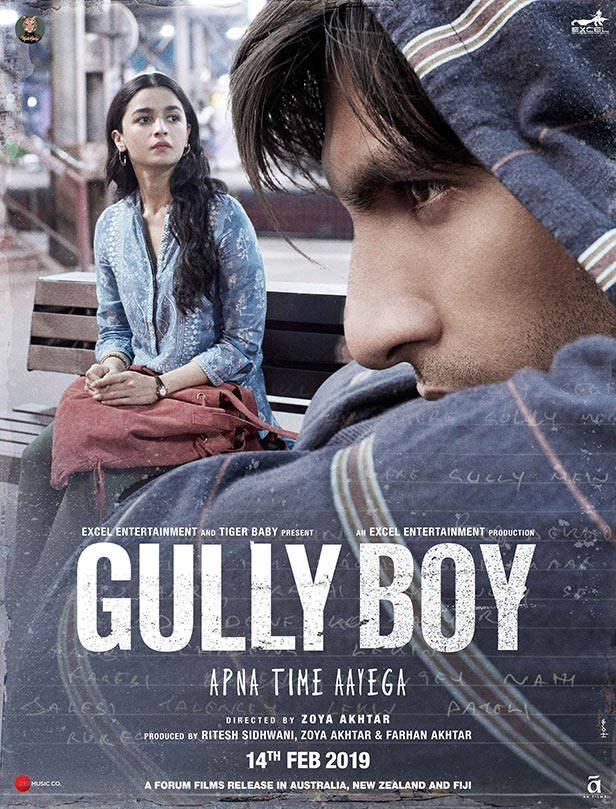
    Gully Boy’s dialogue, “Apna Time Aayega,” became a viral meme shared by fans and brands alike, keeping the film on top of online trends ahead of its release.
  2. Fan Engagement Contests
    Description:
    Studios run contests for fan art, video edits, dance covers, or posters, often with rewards like meeting the cast or official merchandise.
    Example:
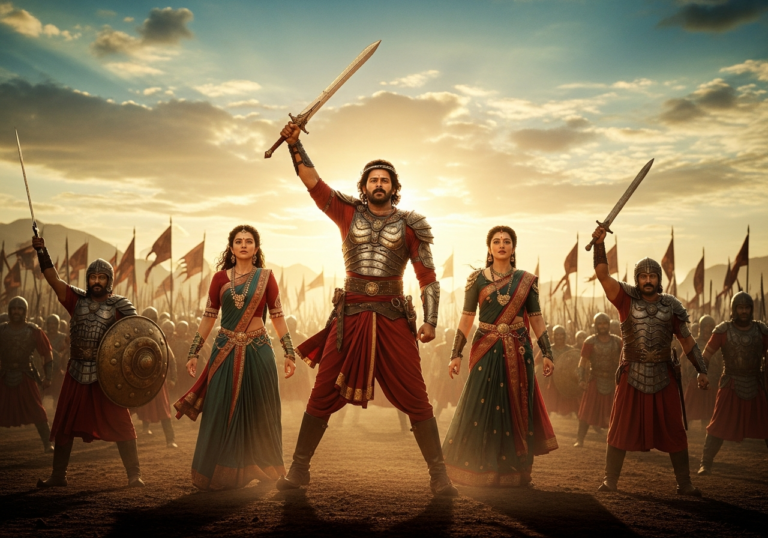
    Baahubali invited fans to submit creative posters and art, sharing the best works on official channels, which built a passionate online community.
  3. Countdowns & Hashtag Campaigns
    Description:
    Films build hype by running countdown posts (“5 days to go!”) and creating unique hashtags for fans to use.
    Example:
    Pathaan generated excitement with the #PathaanCountdown, releasing daily teasers and exclusive content as release day approached.
  4. Festival Tie-ins
    Description: Movie promotions are synced with Indian festivals (Diwali, Eid, New Year, etc.), using festive greetings, themed posters, and special videos.
    Example:
    Dilwale released Diwali-themed posters and videos featuring the cast, aligning the film’s messaging with the celebratory mood.
    Bajrangi Bhaijaan leveraged Eid by sharing special wishes and exclusive clips, tapping into the festival’s family audience.
  5. Influencer Collaborations
    Description:
    Collaborating with social media influencers and content creators to review, dance, or react to film content, increasing reach.
    Example:
    Stree worked with popular YouTubers and Instagram influencers whose spooky or comedic content matched the film’s genre.
  6. Interactive Content & Filters
    Description:
    Launching AR filters, quizzes, polls, and interactive games on Instagram and Facebook related to the film’s theme or characters.
    Example:
    RRR introduced Instagram AR filters and trivia games for fans, leading to widespread user-generated content.
  7. Behind-the-Scenes (BTS) Content
    Description: Sharing BTS videos, interviews, and fun moments to humanize stars and increase relatability.
    Example:
    Kabir Singh’s official pages posted rehearsal clips, bloopers, and on-set photos, keeping fans engaged between major promos.
    Why These Campaigns Work
    Virality:
    Relatable and shareable content spreads rapidly, reaching new audiences.
    Engagement: Contests and interactive content build a loyal online community.
    Timeliness: Festival tie-ins and countdowns tap into existing excitement.
    Personalization: BTS and influencer content make promotions feel authentic.

1. Meme Marketing

Salman Khan—Bajrangi Bhaijaan

  • Campaign: Dialogues and emotional moments from the film inspired a flood of memes, especially on Twitter and Instagram (e.g., “Selfie le le re”).
  • Impact: The memes expanded the film’s reach to non-traditional audiences and kept the film trending for weeks after release.

Ranveer Singh—Gully Boy

  • Campaign: Ranveer’s “Apna Time Aayega” rap and other punchlines became viral meme templates.
  • Impact: Meme virality made the film a pop culture phenomenon, driving engagement and ticket sales.
  • Gully Boy (2019) - IMDb

2. Fan Art Contests

Shah Rukh Khan—Zero

  • Campaign: Before the film’s release, SRK’s team launched a fan art contest, inviting audiences to depict Bauua Singh (the quirky lead character).
  • Impact: Top entries were showcased on the official film handles; fans received signed merchandise, boosting loyalty and social media buzz.

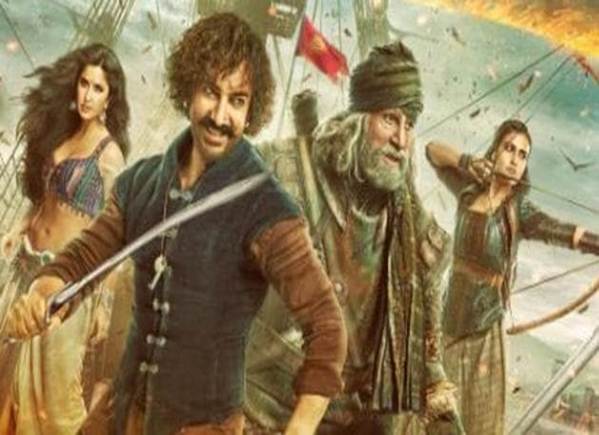
Amitabh Bachchan—Thugs of Hindostan

  • Campaign: Yash Raj Films encouraged fans to create art featuring Amitabh’s ‘Khudabaksh’ persona, sharing the best on their platforms.
  • Impact: Created a sense of community and excitement, while leveraging Big B’s legendary status to drive participation.

3. Countdowns

Akshay Kumar—Sooryavanshi

  • Campaign: Leading up to release, the team ran a daily countdown with snippets, character reveals, and trivia.
  • Impact: Maintained momentum, encouraged daily fan interaction, and led to massive opening weekend numbers.

Shah Rukh Khan—Pathaan

  • Campaign: A 10-day countdown featured teaser clips and posters.
  • Impact: Built anticipation and drove high pre-bookings.

4. Festival Tie-ins

Salman Khan—Prem Ratan Dhan Payo

  • Campaign: The film’s release was timed with Diwali. Salman Khan shared festival wishes and themed videos and ran contests for families celebrating together.
  • Impact: The family-friendly, festive campaign resonated widely, boosting viewership.

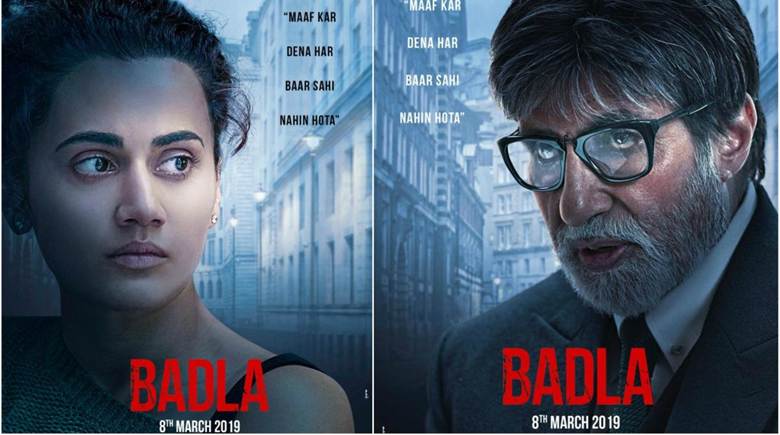
Amitabh Bachchan—Badla

  • Campaign: For Holi, Big B shared themed posts and contest questions related to the film’s plot twists, engaging both festival and movie fans.
  • Impact: Increased festival-time engagement and kept the film in conversation during its theatrical run.

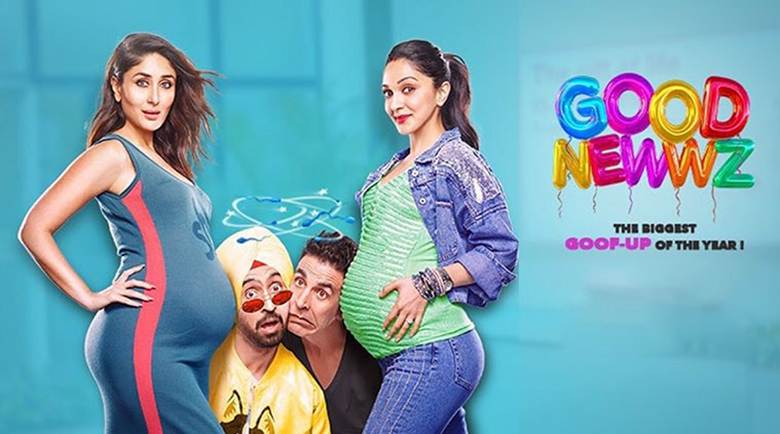
Akshay Kumar—Good Newwz

  • Campaign: For New Year’s and Christmas, the team shared themed memes and greetings featuring the cast, with hashtags like #GoodNewwzFor2020.
  • Impact: Content went viral, riding both holiday and film release waves.

Ranveer Singh—Simmba

  • Campaign: During Eid and New Year, Ranveer posted special greetings in character, which fans loved and shared.
  • Impact: Strengthened connection with diverse audiences, especially during high-engagement festival periods.

Summary Table

Campaign TypeActorFilm ExampleKey TacticResult
Meme MarketingSalman KhanBajrangi BhaijaanMemes of iconic scenesViral, cross-platform reach
Meme MarketingRanveer SinghGully BoyRap memesPop culture buzz
Fan Art ContestShah Rukh KhanZeroBauua Singh fan artLoyal fan engagement
Fan Art ContestAmitabh BachchanThugs of HindostanKhudabaksh art contestIncreased excitement
CountdownAkshay KumarSooryavanshiDaily teasersConsistent buzz
CountdownShah Rukh KhanPathaan10-day poster/clip rolloutHigh pre-booking
Festival Tie-inSalman KhanPrem Ratan Dhan PayoDiwali family contestMassive festive reach
Festival Tie-inAmitabh BachchanBadlaHoli contest/postsSustained engagement
Festival Tie-inAkshay KumarGood NewsNew Year memes/greetingsViral holiday content
Festival Tie-inRanveer SinghSimmbaEid/New Year greetingsFestival fan connection

Here is an overview of Indian cinema focusing on Bollywood, Tollywood, Kollywood, and other regional film industries:


Bollywood (Hindi Cinema)

  • Based in Mumbai (formerly Bombay), Bollywood is the largest and most internationally recognized film industry in India.
  • Produces approximately 44-45% of India’s total film output annually.
  • Known for “masala” films that blend romance, action, comedy, drama, and music.
  • Bollywood films have wide national and global reach, especially popular in India’s diaspora communities.
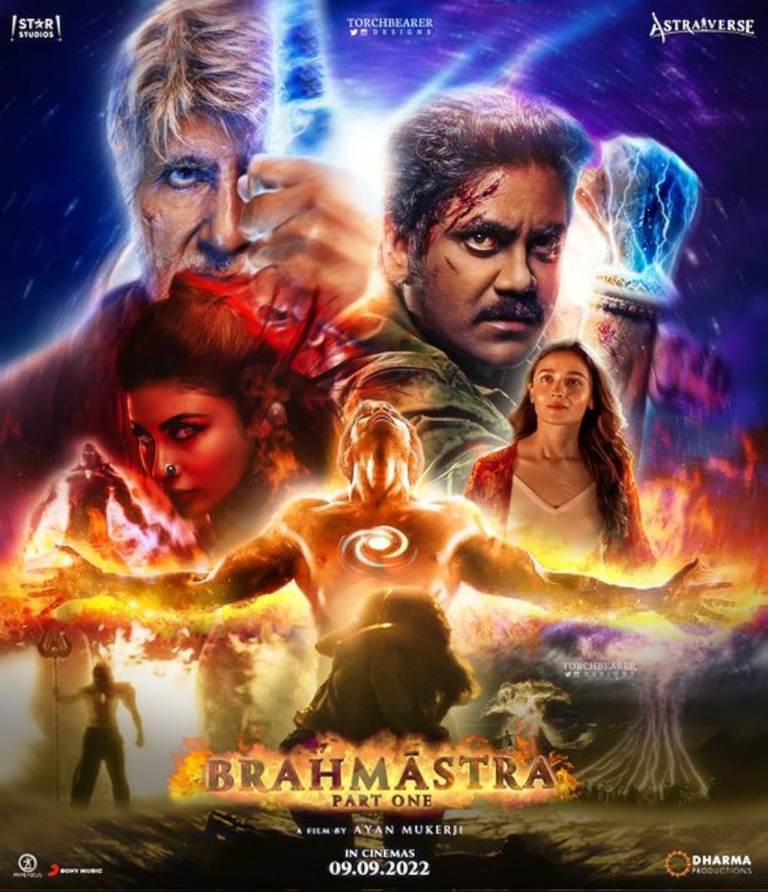
  • Recent blockbusters include DangalJawan, and Pathaan, with significant box office revenue.
  • Bollywood’s influence extends to music, fashion, and popular culture within India and abroad.​

Tollywood (Telugu Cinema)

  • Based primarily in Hyderabad, Tollywood is currently the largest film industry in India by box office revenue.
  • Famous for high-budget productions and pan-Indian films like Baahubali and RRR directed by S. S. Rajamouli.
  • Films often feature action-packed narratives, visual effects, and mass appeal.
  • Tollywood has grown rapidly, producing over 250 films annually and contributing significantly to India’s box office.​

Kollywood (Tamil Cinema)

  • Based in Chennai, Kollywood is another significant regional industry known for a mix of artistic and commercial films.
  • Produces over 260 films annually, addressing diverse genres from social dramas to experimental cinema.
  • Tamil films enjoy robust local and international audiences, particularly in South Asia and among Tamil diaspora.
  • Kollywood makes substantial commercial and cultural contributions to Indian cinema.​

Other Regional Industries

  • Mollywood (Malayalam Cinema): Based in Kerala, known for realistic storytelling and critical acclaim.
  • Punjabi Cinema (Pollywood): Growing rapidly with a focus on Punjabi culture and music, gaining strong overseas market presence.
  • Kannada Cinema (Sandalwood): Based in Karnataka, balancing commercial and content-driven films.
  • Other languages like Marathi, Bengali, Bhojpuri, and Gujarati also have notable cinemas with unique cultural identities.​

Industry Impact and Trends

  • India is the world’s largest film producer by volume, averaging 1,800 to 2,000 films annually across more than 20 languages.
  • South Indian cinemas (Tollywood, Kollywood, Mollywood, Sandalwood) together generate revenues comparable to or surpassing Bollywood.
  • Recent trends include pan-Indian films with multilingual releases and OTT platforms reshaping production and exhibition.​

Indian cinema is a vast, multilingual, and culturally rich industry that combines diverse storytelling traditions with commercial innovation, making it a powerhouse in global entertainment.

INSTAGRAM
error: Content is protected !!