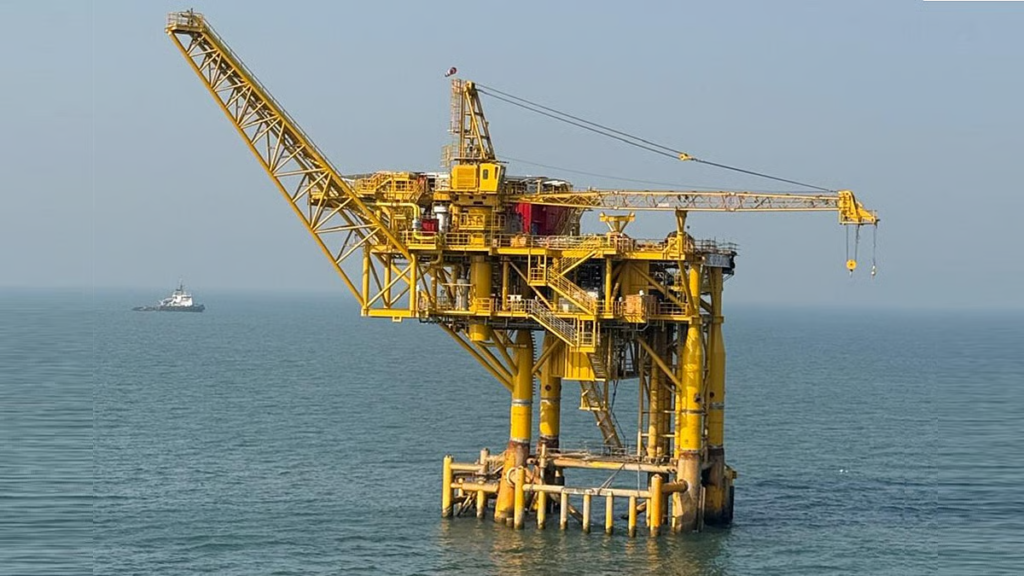
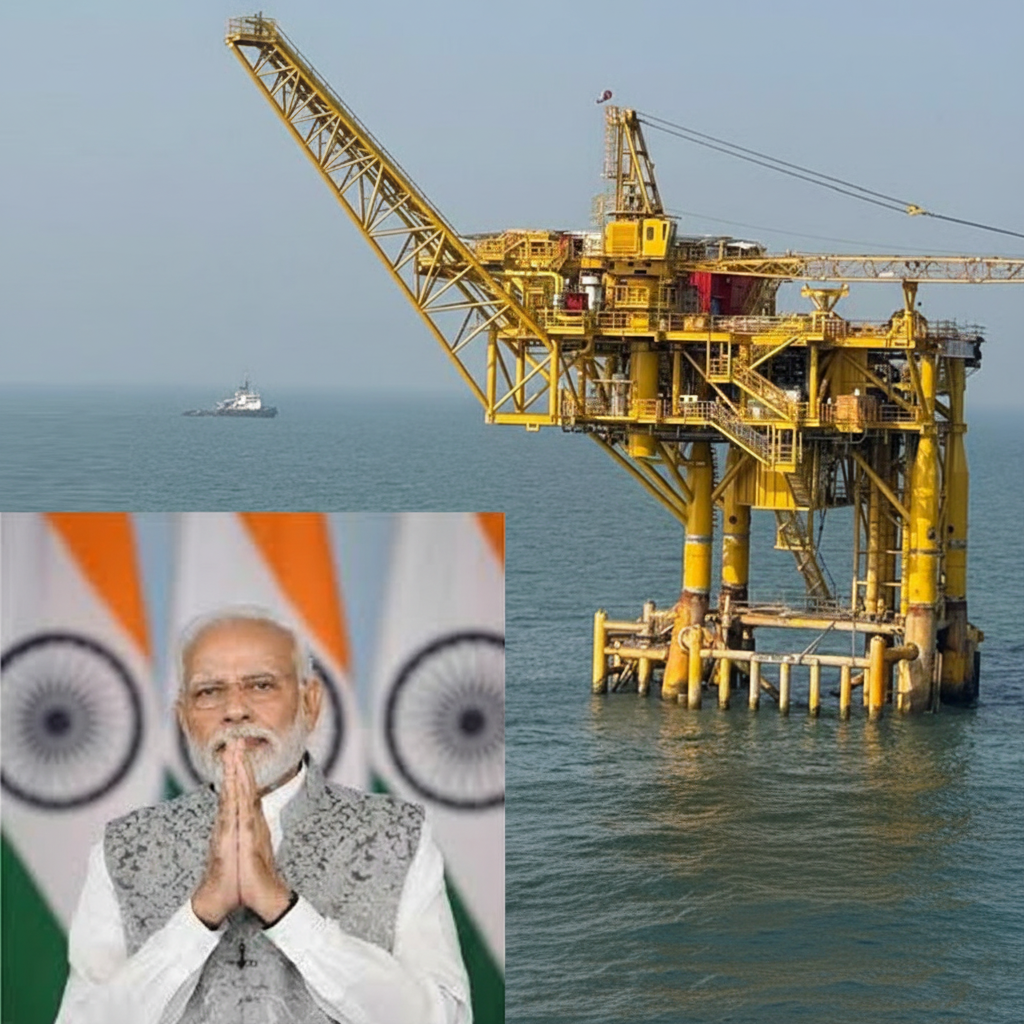
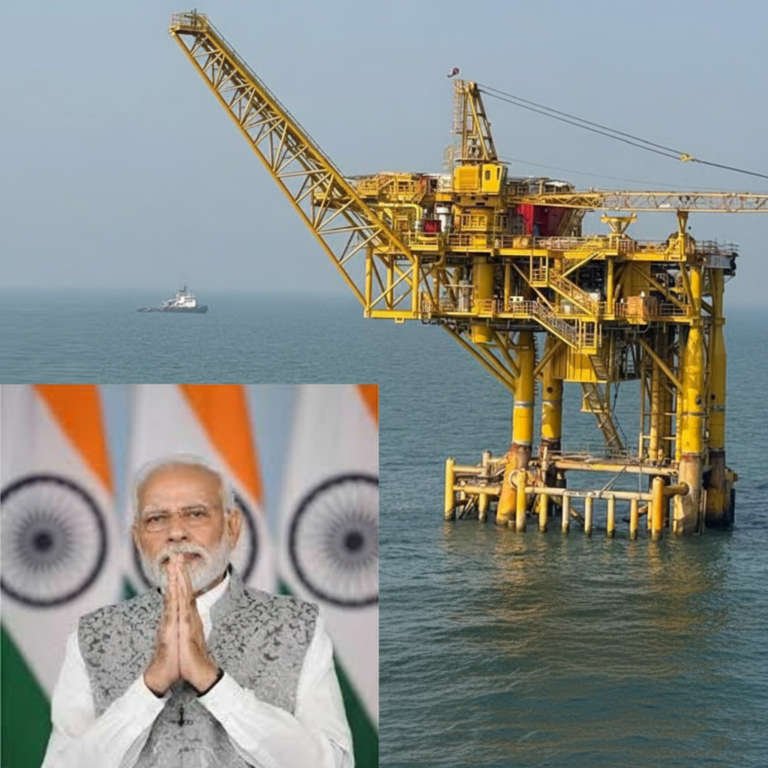
State-owned Oil and Natural Gas Corporation (ONGC) has officially begun natural gas production from its Daman Upside Development Project (DUDP) in the Arabian Sea, about 180 km northwest of Mumbai. The $1 billion project began flowing gas from Platform B-12-24P on March 29, 2026, aimed at boosting domestic supply and reducing import dependence.
India’s natural gas production in the Arabian Sea, particularly near Daman by the Oil and Natural Gas Corporation (ONGC), is receiving considerable attention due to its potential to enhance the country’s energy security and reduce dependence on imports. The recent discoveries and increased output from this region underscore India’s commitment to harnessing its hydrocarbon resources effectively.
The geological formations rich in hydrocarbons have long recognized the Arabian Sea, but the Daman area has emerged as a crucial production zone. The latest estimates suggest that ONGC has successfully drilled multiple wells in this offshore region, leading to a substantial increase in gas output. This boost is not only pivotal for domestic consumption but also positions India strategically within the global energy market.
In a series of exploratory drilling initiatives, ONGC has identified promising reserves of natural gas, with operations expanding to encompass advanced extraction techniques. Cutting-edge technology and a focus on safety and environmental sustainability supplement these efforts. The organization aims to ensure that production activities do not adversely impact marine biodiversity while maximizing output.
Experts suggest that the potential reserves in the Arabian Sea could make a significant contribution to India’s overall natural gas targets as set by national energy policies. The government’s push for cleaner energy sources aligns with the emphasis on natural gas as a transition fuel, facilitating a shift from more polluting forms of energy. This development is particularly relevant given India’s commitments under international climate agreements to reduce emissions and enhance energy efficiency.
The economic implications are also paramount; local economies in regions surrounding Daman are expected to benefit from job creation in the oil and gas sector, alongside ancillary industries. As ONGC ramps up production capabilities, we can anticipate a multiplier effect on local businesses and improvements in infrastructure. Furthermore, greater gas availability may help stabilize domestic gas prices, which have experienced volatility recently.
Extensive research into the geological characteristics of the seabed and surrounding areas supports ONGC’s operations in Daman. The company has partnered with various stakeholders, including academic institutions and environmental organizations, to ensure a comprehensive approach to resource extraction. These collaborations aim to mitigate ecological risks while exploring innovative solutions for gas production.
Looking ahead, the Indian government remains optimistic about tapping further potential reserves in the Arabian Sea. Future investments in infrastructure, such as pipelines and processing facilities, are crucial for sustaining long-term production and ensuring that natural gas can be efficiently transported to consumer markets across the nation.
As the world moves towards a more diversified energy mix, India’s progress in natural gas production supports national development goals and enhances its influence in regional energy dialogues. Maintaining a robust offshore presence will be vital in navigating energy security in an increasingly interconnected globe.
In conclusion, as ONGC forges ahead with its initiatives in Daman, the implications for India’s gas production landscape are profound. Continued investment, innovation, and commitment to sustainable practices will be key as the nation aims to establish itself as a major player in the global energy arena, with the Arabian Sea at the forefront of this evolving narrative.
Key Points of Project
Background:
India has significant natural gas reserves in the offshore regions of the Arabian Sea.
The Krishna-Godavari (KG) Basin, Mumbai High, and the KG-D6 Block are home to the most notable offshore gas fields.
Key Milestones:
Mumbai High Field: Discovered in 1974, it became one of India’s largest producers of crude oil and associated natural gas.
KG-D6 Block (Krishna-Godavari Basin): Operated by Reliance Industries, commercial gas production started in April 2009. This deepwater field marked an important milestone in utilizing India’s offshore resources.
Recent Developments: In 2023, Reliance Industries and BP (British Petroleum) started production from the MJ field (also known as MJ-1) in the KG-D6 block, further boosting domestic gas output.
Significance:
Gas production from the Arabian Sea helps India reduce dependence on imported energy.
Supports energy security and the transition to cleaner fuels.
Current Status:
India continues to invest in deepwater exploration and development in the Arabian Sea.
Major players include ONGC (Oil and Natural Gas Corporation), Reliance Industries, and BP.
Example News (2023): Reliance Industries and BP commenced production from the MJ field in the Krishna-Godavari Basin (Arabian Sea), expected to meet nearly 15% of India’s domestic gas demand.
Let’s get one thing straight — what we are witnessing is not an LPG emergency. It’s a stress test. And India is not failing it.Every time there’s geopolitical turbulence, a section of political voices rushes to amplify fear. The current narrative around an alleged LPG crisis is one such example. Yes, supply chains are under pressure. Yes, global tensions are real. But calling it an “emergency” is not just exaggerated — it’s misleading.
India isn’t reacting. India is executing.
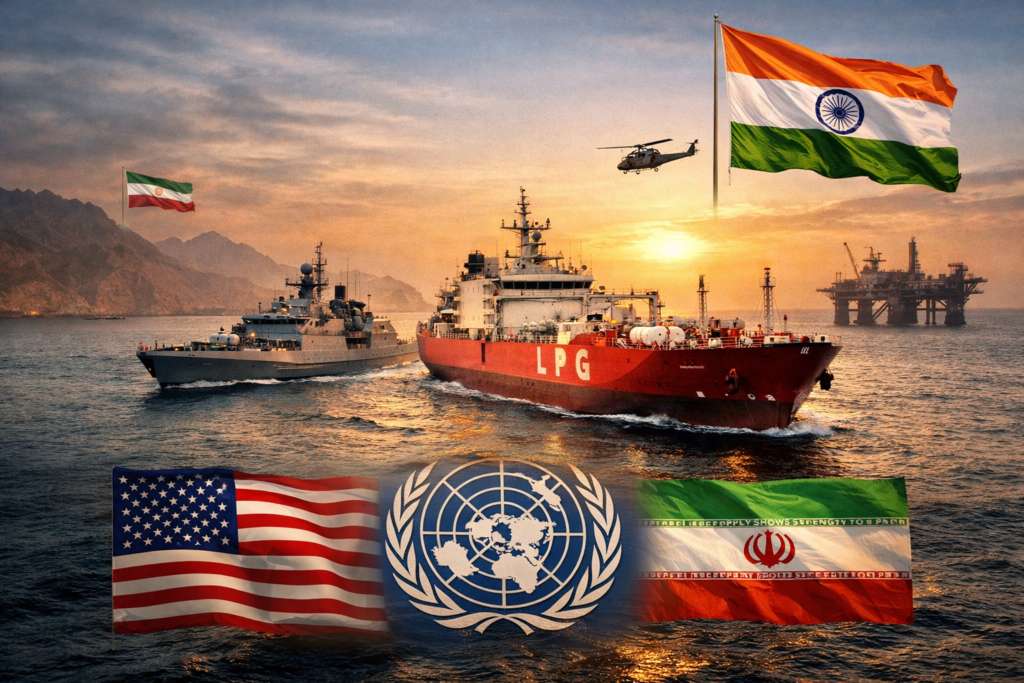
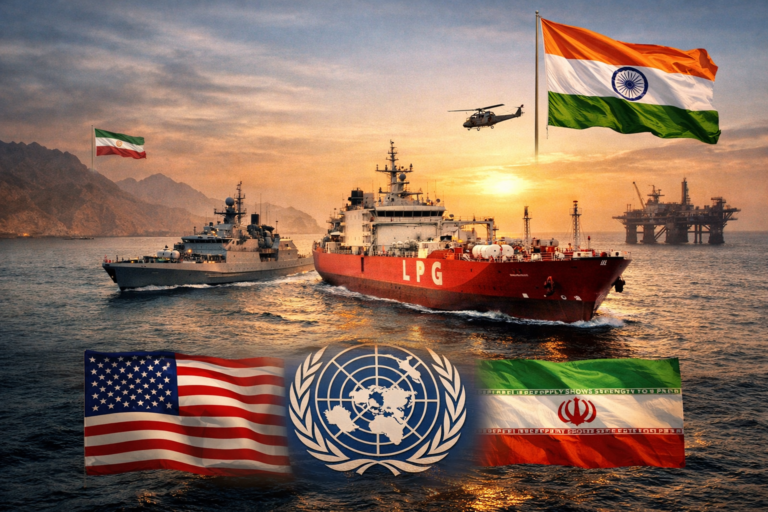
At the heart of this issue lies the strategically critical Strait of Hormuz — a chokepoint through which a significant portion of the world’s energy supply passes. With rising tensions involving Iran and Western powers, concerns over LPG shipments are understandable. But here’s what the panic narrative conveniently ignores: India is already ahead of the curve.
The government is in active diplomatic engagement with Iran to ensure safe passage for LPG tankers. This isn’t speculation — it’s policy in motion. Some vessels, including the naval-backed Shivalik, have already successfully crossed the Hormuz corridor. That’s not disruption. That’s controlled navigation through risk.
This is where India’s foreign policy muscle becomes visible.
Unlike reactionary states, India has maintained a balanced and pragmatic approach in international relations. It engages with all sides without becoming a pawn to any. Whether it is maintaining ties with Iran, managing strategic relations with the United States, or navigating tensions in West Asia — India is not choosing sides blindly. It is choosing stability.
And stability is power.
Let’s zoom out. This is not just India’s problem. The ripple effects of prolonged geopolitical conflicts are being felt globally. Energy markets are tightening. Freight costs are rising. Insurance premiums for maritime routes are increasing. Countries across continents are recalibrating their supply chains.
This is what a prolonged conflict looks like.
The ongoing standoff — shaped in part by the assertive posture of Donald Trump and the uncompromising stance of Iran’s newly elevated supreme leadership — is not de-escalating anytime soon. Both sides are signaling strength, not retreat. And when egos dominate diplomacy, the world pays the price.
But here’s the difference: strong nations prepare for impact. Weak narratives amplify fear.
India has diversified its energy basket, built strategic reserves, and strengthened naval capabilities to secure maritime routes. It is not dependent on a single corridor or a single partner. That’s not luck — that’s long-term planning.
Meanwhile, institutions that are supposed to maintain global peace are failing to deliver. The United Nations, once seen as the guardian of international stability, increasingly appears ineffective in preventing or resolving such prolonged conflicts. Statements are issued, meetings are held — but outcomes remain absent.
In a world where global watchdogs are losing bite, national strength matters more than ever.
So, let’s cut through the noise.
There is pressure — yes. There is uncertainty — absolutely. But there is no collapse.
India is not scrambling. It is negotiating, securing, and moving forward. The successful passage of LPG shipments through volatile waters is proof of capability, not crisis.
This moment doesn’t expose India’s weakness. It highlights its preparedness. Because in geopolitics, the real story isn’t who shouts the loudest — it’s who delivers under pressure. And right now, India is doing exactly that.
The ₹2000 figure often refers to ongoing government subsidies for low-value UPI person-to-merchant (P2M) transactions under ₹2000, aimed at small merchants with zero MDR and incentives like 0.15% per transaction. Budget 2026 allocated ₹2000 crore for these subsidies, but they do not cap user limits.
No new UPI rule imposes a ₹2000 transaction limit as of February 2026. Standard UPI limits remain at ₹1 lakh per day and per transaction for most users, set by NPCI and individual banks.
Possible Misconceptions
The ₹2000 figure often refers to ongoing government subsidies for low-value UPI person-to-merchant (P2M) transactions under ₹2000, aimed at small merchants with zero MDR and incentives like 0.15% per transaction. Budget 2026 allocated ₹2000 crore for these subsidies, but they do not cap user limits.
Merchants do not pay Merchant Discount Rate (MDR) on standard UPI person-to-merchant (P2M) transactions from bank accounts, keeping them free. However, they may incur platform fees from payment gateways and interchange fees for specific cases like PPI wallets or credit cards.
Standard Charges
UPI P2M payments from bank accounts have 0% MDR due to government policy since 2020. Small merchants get a 0.15% incentive (not a charge) for transactions up to ₹2000, funded by the government.
When Merchants Pay
PPI/Wallets: Interchange fees up to 1.1% on transactions over ₹2000 (e.g., 0.5% fuel, 0.9% supermarkets); small merchants often exempt.
RuPay Credit Card UPI: 1.1-2% MDR plus platform fees.
Payment Gateways: Separate processing fees (e.g., 2% cap) for security and settlements, regardless of MDR.
Payment Type
MDR/Interchange
Applies To
Bank Account UPI
0%
All merchants
PPI > ₹2000
0.5-1.1%
Medium/large merchants
Credit Card UPI
1.1-2%
All
Key Updates (2026)
Government extended subsidies for low-value UPI via ₹1500-2000 crore schemes, ensuring zero MDR for small merchants. Merchants must comply with KYC/QR rules but face no new broad fees on basic UPI.
Differences between small medium and large merchant MDR categories
No new universal MDR categories differentiate small, medium, and large merchants for standard UPI P2M bank transactions in 2026—they remain 0% across all sizes due to government policy.
MDR Applies Only to Specific UPI Types
Categories matter mainly for PPI (wallets) and credit card UPI, where small merchants often get exemptions or lower interchange fees on low-value transactions.
Small merchants (typically annual turnover < ₹20 lakh) qualify for zero MDR or subsidies on transactions ≤ ₹2000 via government schemes.
Medium/large merchants (higher turnover) pay 0.5-1.1% interchange on PPI > ₹2000 or 1.1-2% on RuPay credit UPI.
Category Differences
Merchant Size
Turnover Threshold
UPI Bank MDR
PPI/Credit MDR
Caps/Benefits
Small
< ₹20 lakh/year
0%
Often 0% or subsidized ≤ ₹2000
Incentives up to 0.15% payout
Medium/Large
> ₹20 lakh/year
0%
0.5-2% on high-value/PPI
No subsidies; platform fees apply
Legacy RBI card payment caps (pre-UPI focus) set 0.4% MDR for small vs. 0.9% for others, but UPI overrides this with zero MDR policy. Small merchants benefit most from 2026 subsidies (₹2000 crore allocation).
Can small merchants pass MDR charges to customers
No, small merchants cannot legally pass on MDR charges directly to customers for UPI or card payments in India.
RBI Prohibition
The Reserve Bank of India (RBI) mandates that merchants absorb MDR costs without surcharging customers, especially for small businesses (turnover ≤ ₹20 lakh/year). Violations allow customers to file complaints via RBI’s portal under “MDR levied by merchant.”
Exceptions and Practices
Convenience Fees: Online platforms/gateways may add small fees (e.g., ₹10 + GST on gateway charges), but not direct MDR on the full amount.
Indirect Passing: Some merchants hike MRPs or request separate UPI payments for fees, but this risks RBI action.
UPI Specific: Zero MDR policy for bank UPI P2M reinforces no customer charges; applies uniformly.
Scenario
Allowed?
Example
Direct MDR Surcharge
No
“Pay 2% extra for UPI”
Convenience Fee (Gateway)
Limited
₹10 on ₹1000 purchase
Price Increase
Yes, but indirect
Higher MRP for all
Small merchants benefit from subsidies (e.g., 0.15% incentive on ≤ ₹2000 UPI), reducing their burden further.
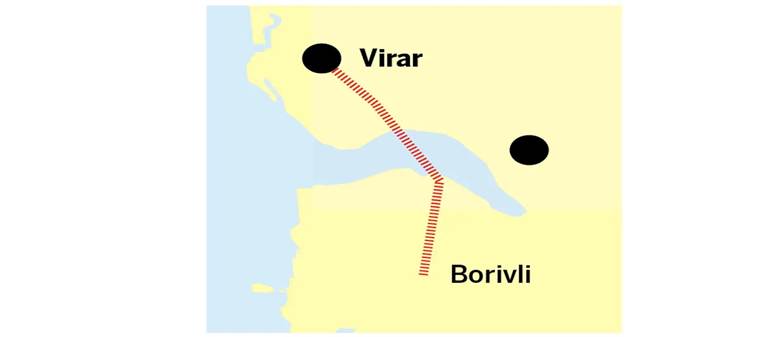
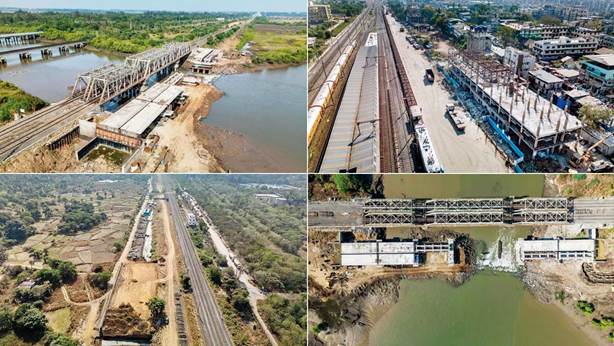
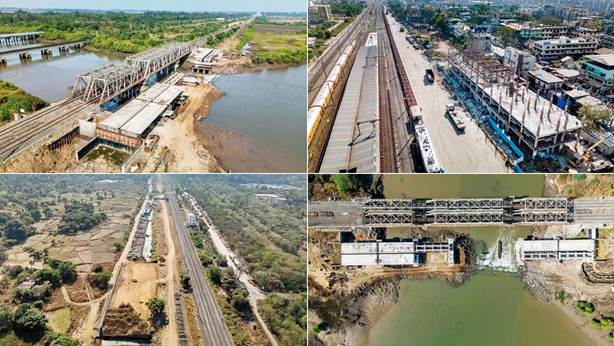
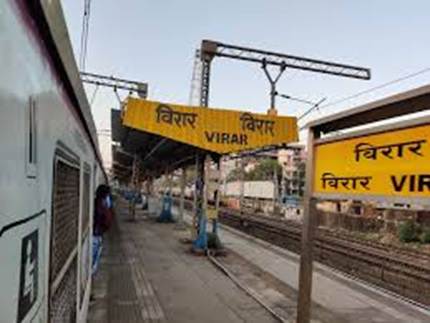
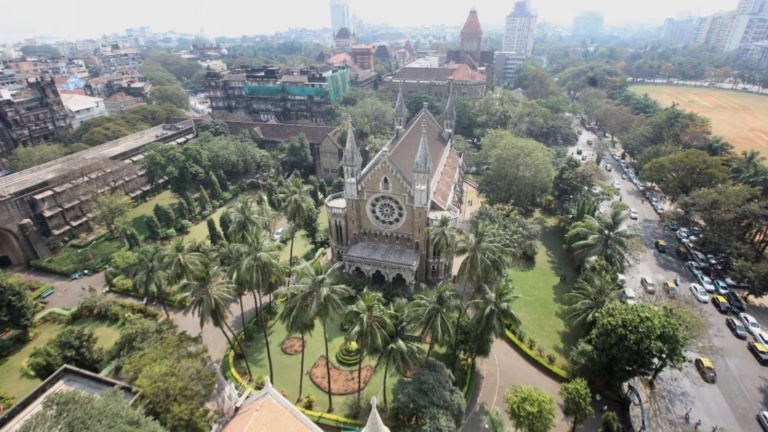
On the Western Railway in Mumbai, one of the railway infrastructure projects that has been progressing for the longest amount of time has now reached a significant stage. It has been confirmed by the Commissioner of Railway Safety (CRS) that the sixth railway line that connects Kandivali and Borivali has been finished and put into operation. By obtaining this license, Western Railway is able to move closer to introducing more local train services on the Churchgate-Borivali and Churchgate-Virar routes, which are both extremely busy. On one of the city’s most congested routes, officials from the railway industry have stated that this new development will assist in alleviating congestion and improving timeliness.
Borivali to Virar. Current stations, including Dahisar, Bhayandar, Naigaon, and Virar, will relocate the positions of their slow line platforms to make room for the new lines in this 26-kilometer segment. The platforms of Dahisar will travel to the north, while those of Bhayander will move to the west, and Virar will move a little bit to the south.
Two new lines will be constructed on the western side of the existing major lines over the full distance from Borivali to Virar. The construction comprises three primary bridges, 16 secondary bridges, one road underpass, and two significant bridges, specifically Bridge No. 73 and 75 spanning the Vasai Creek (Bhayandar Khadi). Construction of the foundations for Bridge 73 has commenced, and an ancient bridge in proximity to Bhayandar is undergoing dismantling.
Areas such as Dahisar to Mira Road have experienced considerable advancement in the clearing of forest land and earthworks owing to prompt approvals. Segments such as Borivali to Dahisar, Mira Road to Bhayandar, and Nalasopara to Virar possess existing minimizing the necessity for additional land acquisition and costly excavation. New stabling lines will be constructed between Naigaon and Vasai to offset repurposed lines in other areas.
Work depending on location
Panju Island: Due to the absence of direct road access to Panju Island, special preparations are being made to carry construction machinery and materials to the island. These arrangements include the use of a dedicated ferry.
Borivali Station: No major renovations are planned for Borivali Station. For the duration of the project, the two new lines will remain in the western portion of the existing corridor. The project will begin at Platforms No. 3 and 5 at Borivali. Since the majority of the property between Borivali and Dahisar is railway land with traction sub-stations, quarters, and stabling (train parking) lines, there has not been a lot of land acquisition done between the two areas. The new lines will travel in the direction of Dahisar over the Sudhir Phadke flyover, which is located right in front of the Borivali station.
Dahisar Station: At Dahisar station, the two new lines will travel in the western direction, close to Platform No. 1 that is already in place. The two new slow line platforms will be consolidated and shifted a little bit to the north because there is not enough space at the station where they are currently located. From the Metro 2A bridge all the way up to the Mira Road station, the construction work has progressed to a more advanced stage. is due to the fact that the forest land that is necessary for the project has already been obtained, and work has begun on the ground. Additionally, three stabling lines that are being relocated from Borivali will be installed along this section of road that connects Dahisar and Mira Road.
Mira Road Station: Existing Platform No. 1 will be replaced by new platforms that will be located to the west of Mira Road.
Bhayandar Station: The platform that is now utilized for ending and originating trains at Bhayandar will be relocated to the western side of the station. Existing Platform No. 1 will be left in its current configuration, and Platform No. 2, which is now being utilized for terminating trains, will be transformed into the new slow platform for Churchgate-bound trains. The subsequent Virar fast platform will be Platform No. 3, which holds the distinction of being the terminal platform. At some point in the future, the slow Platform No. 4 will be transformed into the Churchgate fast platform.
Naigaon station: New platforms are going to be introduced in the western region, according to Naigaon. Between Naigaon and Vasai, there will also be twenty stabling lines that are going to be constructed.
Vasai Station: Major renovations are going to be carried out at Vasai. Following the relocation of the existing structures, 1 that is now in place will be moved to the west by about 8 meters. That it serves as a terminal platform will continue to be its primary function. The new platforms will be constructed at the north end of the west side of the present Platform No. Platform No. 2-3, which is already in existence, will be utilized for the fast line corridor.
Nallasopara Station: A new residential platform located to the west of the existing Platform No. 1 is known as Nallasopara. An island platform will be created out of the currently existent Platform No. 1.
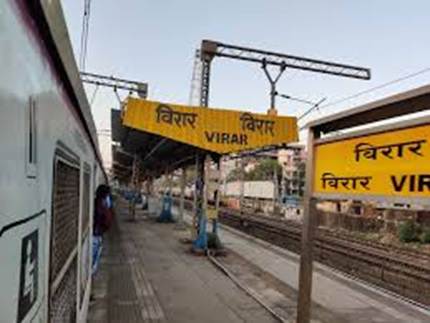
Virar Station: Two more platforms are going to be constructed at the south end of the station, which will result in the station’s expansion even further.
Here are the essential details about the project:
The station will have interconnected platforms with a new, bigger, and updated station deck to improve passenger flow.
A proposed elevated autorickshaw deck, similar to the SATIS (Station Area Traffic Improvement Scheme) project, will segregate commuter and vehicular traffic while allowing cars to pass through.
A new “Home Platform 5A” (5-6 meters wide) is being built on the northwest side, while current platforms 3A and 4A are being expanded to accommodate 15-car suburban trains.
Platform 3A will be expanded to 10 meters and equipped with a double-discharge facility to accommodate high commuter volumes.
Upgrades for 15-car locals on the Dahanu corridor are planned to be completed by early 2026 (March 2026 target).
Due to construction, some Virar services have been curtailed, with certain Dadar-Virar trains ending at Vasai Road.
The project, which is about 47% complete as of February 2026, intends to minimize the terrible overcrowding and disruption that passengers face during peak hours, particularly by separating suburban and long-distance.
मुंबई में पश्चिमी रेलवे पर, सबसे लंबे समय से चल रही रेलवे अवसंरचना परियोजनाओं में से एक अब एक महत्वपूर्ण चरण में पहुंच गई है। रेलवे सुरक्षा आयुक्त (सीआरएस) ने पुष्टि की है कि कांदिवली और बोरीवली को जोड़ने वाली छठी रेलवे लाइन पूरी हो चुकी है और इसे चालू कर दिया गया है। इस लाइसेंस को प्राप्त करके, पश्चिमी रेलवे चर्चगेट-बोरीवली और चर्चगेट-विरार मार्गों पर अधिक स्थानीय ट्रेन सेवाओं को शुरू करने के करीब जाने में सक्षम है, जो दोनों बेहद व्यस्त हैं। शहर के सबसे भीड़भाड़ वाले मार्गों में से एक पर, रेलवे उद्योग के अधिकारियों ने कहा है कि यह नया विकास भीड़ को कम करने और समयबद्धता में सुधार करने में मदद करेगा।
अब जब बोरीवली 5वीं और 6वीं लाइनें समाप्त हो गई हैं, तो रेलमार्गों ने जिगसॉ पहेली के अगले हिस्से को खत्म करने पर अपना ध्यान केंद्रित किया है, जो बोरीवली से विरार तक फैली रेलवे विस्तार परियोजना है। दहिसर, भायंदर, नायगांव और विरार सहित कई वर्तमान स्टेशन, इस 26 किलोमीटर के खंड में नई लाइनों के लिए जगह बनाने के लिए अपने धीमी लाइन प्लेटफार्मों की स्थिति को स्थानांतरित करेंगे। दहिसर के चबूतरे उत्तर की ओर बढ़ेंगे, जबकि भायंदर के चबूतरे पश्चिम की ओर बढ़ेंगे, और विरार थोड़ा दक्षिण की ओर बढ़ेंगे।
बोरीवली से विरार तक की पूरी दूरी पर मौजूदा प्रमुख लाइनों के पश्चिमी हिस्से में दो नई लाइनों का निर्माण किया जाएगा। निर्माण में तीन प्राथमिक पुल, 16 द्वितीयक पुल, एक सड़क अंडरपास और दो महत्वपूर्ण पुल, विशेष रूप से पुल नं. 73 और 75 वसई खाड़ी (भायंदर खादी) में फैले हुए हैं। पुल नं के लिए नींव का निर्माण। 73 शुरू हो गया है, और भायंदर के निकट एक प्राचीन पुल को तोड़ने का काम चल रहा है।
दहिसर से मीरा रोड जैसे क्षेत्रों ने त्वरित अनुमोदन के कारण वन भूमि और मिट्टी के कार्यों की सफाई में काफी प्रगति का अनुभव किया है। बोरीवली से दहिसर, मीरा रोड से भायंदर और नालासोपारा से विरार जैसे खंडों में मौजूदा रेलवे संपत्ति या स्थापित लाइनें हैं जिनका पुनः उपयोग किया जाएगा, इसलिए अतिरिक्त भूमि अधिग्रहण और महंगी खुदाई की आवश्यकता कम हो जाएगी। अन्य क्षेत्रों में पुनर्निर्मित लाइनों को ऑफसेट करने के लिए नायगांव और वसई के बीच नई स्टेब्लिंग लाइनों का निर्माण किया जाएगा।
स्थान के आधार पर काम
1. पंजू द्वीपः पंजू द्वीप तक सीधी सड़क नहीं होने के कारण, द्वीप तक निर्माण मशीनरी और सामग्री ले जाने के लिए विशेष तैयारी की जा रही है। इन व्यवस्थाओं में एक समर्पित नौका का उपयोग शामिल है।
2. बोरीवली स्टेशनः बोरीवली स्टेशन के लिए किसी बड़े नवीनीकरण की योजना नहीं है। परियोजना की अवधि के लिए, दो नई लाइनें मौजूदा गलियारे के पश्चिमी भाग में रहेंगी। यह परियोजना प्लेटफॉर्म नं. 3 और 5 बोरीवली में। चूंकि बोरीवली और दहिसर के बीच की अधिकांश संपत्ति कर्षण उप-स्टेशनों, क्वार्टरों और स्टेब्लिंग (ट्रेन पार्किंग) लाइनों के साथ रेलवे की भूमि है, इसलिए दोनों क्षेत्रों के बीच बहुत अधिक भूमि अधिग्रहण नहीं किया गया है। नई लाइनें बोरीवली स्टेशन के ठीक सामने स्थित सुधीर फड़के फ्लाईओवर के ऊपर दहिसर की दिशा में चलेंगी।
3. दहिसर स्टेशनः दहिसर स्टेशन पर दो नई लाइनें पश्चिम दिशा में प्लेटफॉर्म नं. 1 जो पहले से ही जगह पर है। दो नए स्लो लाइन प्लेटफार्मों को समेकित किया जाएगा और थोड़ा सा उत्तर की ओर स्थानांतरित किया जाएगा क्योंकि जिस स्टेशन पर वे वर्तमान में स्थित हैं, वहां पर्याप्त जगह नहीं है। मेट्रो 2ए पुल से लेकर मीरा रोड स्टेशन तक, निर्माण कार्य अधिक उन्नत चरण में आगे बढ़ गया है। यह इस तथ्य के कारण है कि परियोजना के लिए आवश्यक वन भूमि पहले ही प्राप्त कर ली गई है, और जमीन पर काम शुरू हो गया है। इसके अतिरिक्त, बोरीवली से स्थानांतरित की जा रही तीन स्टैब्लिंग लाइनें दहिसर और मीरा रोड को जोड़ने वाली सड़क के इस खंड के साथ स्थापित की जाएंगी।
4. मीरा रोड स्टेशनः मौजूदा प्लेटफार्म नं. 1 को नए प्लेटफार्मों द्वारा प्रतिस्थापित किया जाएगा जो मीरा रोड के पश्चिम में स्थित होंगे।
5. भायंदर स्टेशनः भायंदर में ट्रेनों को समाप्त करने और शुरू करने के लिए अब जिस प्लेटफॉर्म का उपयोग किया जाता है, उसे स्टेशन के पश्चिमी हिस्से में स्थानांतरित कर दिया जाएगा। मौजूदा प्लेटफार्म नं. 1 को इसके वर्तमान विन्यास में छोड़ दिया जाएगा, और प्लेटफार्म नं। 2, जिसका उपयोग अब ट्रेनों को समाप्त करने के लिए किया जा रहा है, को चर्चगेट जाने वाली ट्रेनों के लिए नए स्लो प्लेटफॉर्म में बदल दिया जाएगा। इसके बाद का विरार फास्ट प्लेटफॉर्म प्लेटफॉर्म नं. 3, जो अंतिम मंच होने का गौरव रखता है। भविष्य में किसी बिंदु पर, चर्चगेट धीमा प्लेटफॉर्म नं। 4 को चर्चगेट फास्ट प्लेटफॉर्म में बदल दिया जाएगा।
6. नायगांव स्टेशनः नायगांव के अनुसार पश्चिमी क्षेत्र में नए प्लेटफार्म शुरू होने जा रहे हैं। नायगांव और वसई के बीच, बीस स्टेब्लिंग लाइनें भी होंगी जिनका निर्माण किया जा रहा है।
7. वसई स्टेशनः वसई में बड़े पैमाने पर नवीनीकरण होने जा रहे हैं। मौजूदा संरचनाओं के स्थानांतरण के बाद, प्लेटफॉर्म नं। 1 जो अब जगह पर है, उसे लगभग 8 मीटर पश्चिम की ओर ले जाया जाएगा। यह कि यह एक अंतिम मंच के रूप में कार्य करता है, इसका प्राथमिक कार्य बना रहेगा। उस स्थान पर दो नई लाइनें स्थापित करने की योजना है जो पहले पुराने प्लेटफार्मों द्वारा कब्जा कर लिया गया था। नए प्लेटफार्मों का निर्माण वर्तमान प्लेटफार्म नं. 2, और वे धीमी गलियारे द्वारा उपयोग किया जाएगा। प्लेटफार्म नं. 2-3, जो पहले से मौजूद है, का उपयोग फास्ट लाइन कॉरिडोर के लिए किया जाएगा।
8. नालासोपारा स्टेशनः मौजूदा प्लेटफार्म नं. 1 को नालासोपारा के नाम से जाना जाता है। वर्तमान में मौजूद प्लेटफॉर्म नं. 1.
9. विरार स्टेशनः स्टेशन के दक्षिण छोर पर दो और प्लेटफार्मों का निर्माण होने जा रहा है, जिसके परिणामस्वरूप स्टेशन का और भी विस्तार होगा।
परियोजना के बारे में आवश्यक विवरण यहां दिए गए हैंः
1. स्टेशन में यात्रियों के प्रवाह में सुधार के लिए एक नए, बड़े और अद्यतन स्टेशन डेक के साथ आपस में जुड़े प्लेटफार्म होंगे।
2. एसएटीआईएस (स्टेशन एरिया ट्रैफिक इम्प्रूवमेंट स्कीम) परियोजना के समान एक प्रस्तावित एलिवेटेड ऑटोरिक्शा डेक, कारों को गुजरने की अनुमति देते हुए यात्रियों और वाहनों के यातायात को अलग करेगा।
3. उत्तर-पश्चिम की ओर एक नया “होम प्लेटफॉर्म 5ए” (5-6 मीटर चौड़ा) बनाया जा रहा है, जबकि वर्तमान प्लेटफॉर्म 3ए और 4ए का विस्तार 15 डिब्बों वाली उपनगरीय ट्रेनों को समायोजित करने के लिए किया जा रहा है।
4. प्लेटफॉर्म 3ए को 10 मीटर तक विस्तारित किया जाएगा और उच्च यात्रियों की संख्या को समायोजित करने के लिए डबल-डिस्चार्ज सुविधा से सुसज्जित किया जाएगा।
5. दहानु गलियारे पर 15 गाड़ियों वाले स्थानीय लोगों के लिए उन्नयन 2026 की शुरुआत (मार्च 2026 का लक्ष्य) तक पूरा करने की योजना है
6. निर्माण के कारण, कुछ विरार सेवाओं को कम कर दिया गया है, कुछ दादर-विरार ट्रेनें वसई रोड पर समाप्त होती हैं।
परियोजना, जो फरवरी 2026 तक लगभग 47% पूरी हो चुकी है, का उद्देश्य भीड़भाड़ और व्यवधान को कम करना है जो यात्रियों को व्यस्त समय के दौरान सामना करना पड़ता है, विशेष रूप से उपनगरीय और लंबी दूरी को अलग करके।
A. The Evolution of LGBTQ Representation in Media: From Stereotypes to Authenticity
The representation of the LGBTQ community in media has undergone a remarkable transformation over the years. From being marginalized and reduced to harmful stereotypes, LGBTQ characters and narratives have gradually moved towards authenticity and inclusivity. This section explores the journey of LGBTQ representation in media, highlighting prominent examples from across the world that have contributed to this evolution.
1. Early Stereotypes
In the early days of media, LGBTQ characters were often portrayed through damaging stereotypes, reinforcing societal biases and discrimination. Examples include the flamboyant and overly sexualized depictions of gay men, the predatory and tragic portrayals of lesbian women, and the portrayal of transgender individuals as objects of ridicule. These stereotypes perpetuated misconceptions and limited the understanding of LGBTQ experiences.
2. Challenging Stereotypes and Visibility
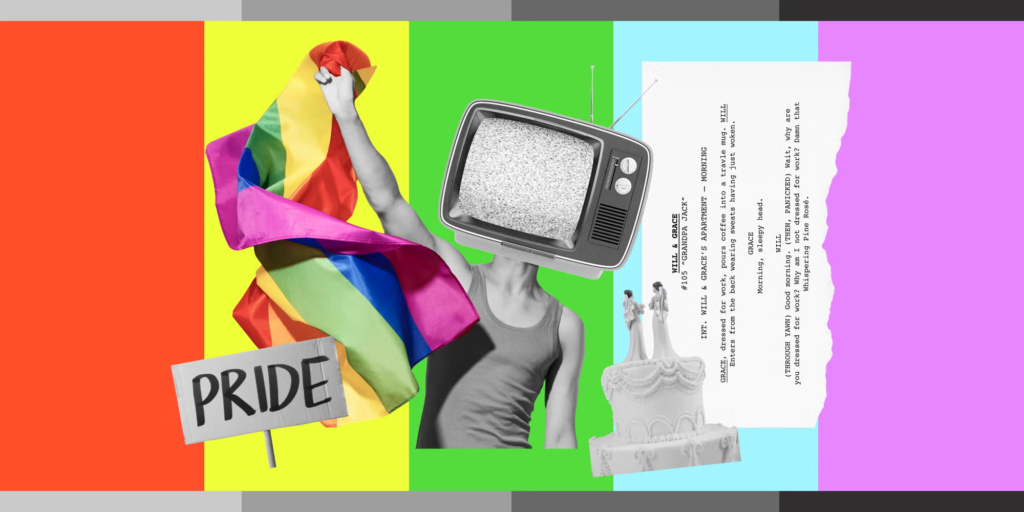
As societal attitudes began to shift, so did the portrayal of LGBTQ characters in media. Notable examples include the groundbreaking 1993 film “Philadelphia,” which addressed HIV/AIDS and homophobia, and the popular TV series “Will & Grace,” which depicted a gay man as a lead character in a non-stereotypical manner. These representations helped challenge stereotypes and brought LGBTQ issues into the mainstream consciousness, contributing to greater visibility and understanding.
3. Complex and Multidimensional Characters
In recent years, there has been a significant shift towards portraying LGBTQ characters as complex and multidimensional individuals, reflecting the diversity within the community. One notable example is the critically acclaimed TV show “Pose,” which explores the lives of transgender individuals of color in the ballroom scene of 1980s and 1990s New York. The series provides nuanced portrayals, addressing intersectionality and showcasing the challenges and triumphs of its characters.
4. Intersectionality and Inclusive Storytelling
LGBTQ representation has expanded to embrace intersectionality, recognizing that identities intersect and influence one another. The TV series “Orange is the New Black” is celebrated for its diverse LGBTQ representation, featuring characters from different racial, ethnic, and socioeconomic backgrounds and exploring their complex journeys. By acknowledging the intersectionality of identities, media narratives become more authentic, relatable, and inclusive.
5. International Progress
LGBTQ representation in media is not limited to a single country but is a global phenomenon. Several countries have made notable strides in this regard. For instance, the Indian web series “Made in Heaven” explores the lives of LGBTQ characters in the context of the country’s conservative society, challenging societal norms and shedding light on the struggles faced by the community. In Denmark, the TV series “Rita” showcases a lesbian lead character who navigates her personal and professional life, contributing to the normalization of LGBTQ experiences.
6. Transgender Representation
Transgender representation in media has gained significant attention in recent years, with a greater focus on authentic storytelling. The groundbreaking series “Transparent” follows the journey of a transgender woman and her family, portraying the complexities and challenges of transitioning. Moreover, the film “A Fantastic Woman” from Chile explores the experiences of a transgender woman facing discrimination and grief, earning critical acclaim and an Academy Award for Best Foreign Language Film.
7. Inclusive Animation
Even in the realm of animation, LGBTQ representation has made progress. The animated series “Steven Universe” features LGBTQ characters and relationships, promoting inclusivity and acceptance among younger audiences. Additionally, the film “Luca” from Pixar presents a heartwarming story about two young boys discovering their identity and the power of friendship, resonating with viewers of all ages.
The evolution of LGBTQ representation in media is a testament to the changing cultural landscape and the tireless efforts of advocates for authentic storytelling. From harmful stereotypes to multidimensional characters, media has gradually embraced LGBTQ narratives, challenging societal norms and fostering greater understanding and acceptance. Prominent examples from around the world have played a significant role in this evolution, demonstrating the power of media in shaping public perception and driving social change.
As LGBTQ representation continues to progress, it is important to acknowledge that there is still work to be done. The media industry must strive for more diverse and inclusive storytelling, amplifying the voices of LGBTQ individuals from all walks of life. It is crucial to move beyond tokenism and superficial representation, ensuring that LGBTQ characters are not defined solely by their sexual orientation or gender identity but are portrayed as fully realized individuals with unique experiences, dreams, and aspirations.
Furthermore, the responsibility lies not only with creators and storytellers but also with media consumers. As viewers, we have the power to support and engage with media that authentically represents the LGBTQ community. By actively seeking out and supporting inclusive content, we contribute to the demand for more diverse narratives and encourage the industry to continue evolving.
Conclusion
In conclusion, the evolution of LGBTQ representation in media from harmful stereotypes to authentic portrayals reflects a growing societal understanding and acceptance of the LGBTQ community. Through groundbreaking films, TV series, and other forms of media, we have witnessed the power of storytelling in challenging prejudices, fostering empathy, and promoting inclusivity. As the journey of LGBTQ representation continues, it is vital to prioritize intersectionality, encourage diverse storytelling, and celebrate the complexity of LGBTQ characters. By doing so, we pave the way for a future where LGBTQ individuals are truly seen, heard, and celebrated in the media landscape.
B. Breaking Barriers: Celebrating LGBTQ Characters in Film and Television
In recent years, Indian cinema and television have undergone a significant transformation, gradually embracing diversity and inclusivity. One of the most notable breakthroughs has been the increasing representation of LGBTQ characters on screen. This positive shift marks a significant departure from the traditional portrayal of LGBTQ individuals in Indian media, where they were often relegated to stereotypes or completely ignored. In this section, we will explore the evolution of LGBTQ representation in Indian film and television, highlighting prominent examples and the impact they have had on society.
1. The Early Days: Stereotypes and Silence
For a long time, LGBTQ characters in Indian cinema and television were depicted through stereotypes and caricatures, perpetuating harmful stereotypes and reinforcing societal biases. Homosexual characters were often used for comic relief or as objects of ridicule, failing to address the complexities and realities of their lives. This lack of authentic representation contributed to a culture of silence and ignorance surrounding LGBTQ issues.
2. Winds of Change: International Influence
The global LGBTQ rights movement, coupled with exposure to international cinema and television, played a pivotal role in challenging the status quo and bringing about a more nuanced portrayal of LGBTQ characters in Indian media. Movies and TV shows from around the world have inspired Indian filmmakers and content creators to approach LGBTQ stories with sensitivity and authenticity.
“Fire” (1996)
Deepa Mehta’s groundbreaking film “Fire” created a significant stir in Indian cinema. It portrayed a lesbian relationship between two women trapped in loveless marriages. Despite facing backlash and protests, the film sparked important conversations about sexual identity and desire in India.
“Mango Souffle” (2002)
Directed by Mahesh Dattani, “Mango Souffle” was one of the first Indian films to explore the theme of homosexuality with a blend of humor and sensitivity. The film revolved around a gay man struggling to come out to his conservative family, shedding light on the challenges faced by LGBTQ individuals in a traditional Indian society.
C. Indian Film Industry: Pushing Boundaries
“My Brother… Nikhil” (2005)
Directed by Onir, this film was inspired by the real-life story of Dominic D’Souza, an Indian swimmer who was diagnosed with HIV during the 1980s. It not only highlighted the stigma surrounding HIV/AIDS but also sensitively portrayed a gay relationship. The film shattered stereotypes and showcased the power of love and acceptance in the face of adversity.
“Aligarh” (2016)
Based on the true story of Dr. Shrinivas Ramchandra Siras, “Aligarh” delves into the life of a gay professor who faced discrimination and persecution in a conservative Indian society. Directed by Hansal Mehta, the film shed light on the importance of personal freedoms and the need for acceptance and empathy.
“Maja Ma” (2022)
“Maja Ma,” an Amazon Prime movie starring Madhuri Dixit, has the potential to break new ground by exploring the theme of lesbianism in Indian cinema. The film could depict a compelling and sensitive narrative that delves into the complexities of same-sex relationships between women in a conservative Indian society.
Through the powerful performance of Madhuri Dixit, the film could portray the emotional journey of Pallavi discovering her attraction towards another woman and the challenges she faces in coming to terms with her sexual identity. By addressing lesbianism in a respectful and authentic manner, “Maja Ma” has the potential to contribute to the evolving landscape of LGBTQ representation in Indian cinema and foster greater acceptance and understanding.
3. Television’s Role in Driving Change
“Satyamev Jayate” (2012)
Hosted by Aamir Khan, this widely acclaimed talk show dedicated an episode to the LGBTQ community in India. It brought together LGBTQ individuals, their families, and activists to discuss the challenges they face and the importance of inclusivity. The show sparked nationwide conversations and raised awareness about LGBTQ rights.
“Made in Heaven” (2019)
This Amazon Prime Video series follows two wedding planners in Delhi who navigate the complex dynamics of Indian weddings while dealing with their own personal struggles. The show unapologetically tackles issues of sexuality, gender, and class, portraying LGBTQ characters with depth and empathy.
D. The Ripple Effect: Changing Perceptions
The increased representation of LGBTQ characters in Indian film and television has had a profound impact on society. By challenging stereotypes and highlighting the experiences and struggles of LGBTQ individuals, these stories have played a crucial role in breaking down barriers and fostering acceptance. Here are some ways in which the representation of LGBTQ characters has influenced societal perceptions:
Encouraging Conversations: Authentic portrayal of LGBTQ characters in Indian film and television has opened up conversations about sexual orientation and gender identity. It has allowed people to confront their own biases and challenge societal norms, leading to greater understanding and empathy.
Humanizing LGBTQ Individuals: By depicting LGBTQ characters as multidimensional individuals with hopes, dreams, and emotions, Indian media has humanized them, allowing audiences to connect with their stories on a personal level. This shift has helped break down stereotypes and dismantle preconceived notions about LGBTQ individuals.
Empowering LGBTQ Youth: The increased visibility of LGBTQ characters has had a profound impact on young people who are grappling with their own sexual orientation or gender identity. Seeing relatable and positive portrayals of LGBTQ characters on screen can provide a sense of validation, support, and encouragement to embrace their true selves.
Challenging Legal and Social Barriers: The representation of LGBTQ characters in popular media has played a vital role in influencing public opinion and fostering acceptance, which in turn has contributed to the push for legal and social reforms. It has fueled movements advocating for LGBTQ rights, leading to significant legal milestones, such as the decriminalization of homosexuality in India in 2018.
Increasing Diversity in Narratives: The inclusion of LGBTQ characters in Indian film and television has expanded the narrative landscape and enriched storytelling. It has provided opportunities for LGBTQ actors, writers, and directors to share their own experiences and perspectives, bringing greater authenticity and diversity to the entertainment industry.
The journey of LGBTQ representation in Indian film and television has been a transformative one, marked by significant progress and cultural shifts. From the early days of harmful stereotypes and silence to the present era of nuanced and authentic portrayals, Indian media has come a long way in breaking barriers and celebrating LGBTQ characters.
Prominent examples such as “Fire,” “Mango Souffle,” “My Brother… Nikhil,” “Aligarh,” “Satyamev Jayate,” and “Made in Heaven” have pushed boundaries, challenged societal norms, and paved the way for greater acceptance and inclusion. These stories have not only entertained audiences but also educated and inspired change.
As we celebrate the achievements and progress made so far, it is important to acknowledge that there is still work to be done. Continued efforts are needed to ensure that LGBTQ characters are represented with sensitivity, respect, and authenticity. By embracing diverse stories and amplifying the voices of LGBTQ individuals, Indian film and television can continue to shape public opinion, break down barriers, and create a more inclusive society for all.
E. Behind the Scenes: LGBTQ Filmmakers and Their Impact on Media Representation
In the realm of filmmaking, LGBTQ voices have emerged as powerful catalysts for change, driving forward the representation of LGBTQ characters and stories on the silver screen. These filmmakers bring their unique perspectives and personal experiences to their craft, challenging societal norms and amplifying the voices of marginalized communities. In this section, we will explore the significant impact of LGBTQ filmmakers in reshaping media representation, with a focus on prominent examples from India.
F. Breaking Barriers: Pioneering LGBTQ Filmmakers in India
Over the years, LGBTQ filmmakers in India have played a pivotal role in challenging the status quo and pushing the boundaries of storytelling. By infusing their narratives with authenticity and personal journeys, they have paved the way for a more inclusive cinematic landscape.
Onir
Onir, a trailblazing filmmaker, has been at the forefront of LGBTQ representation in Indian cinema. His film “My Brother… Nikhil” (2005) explored the life of a gay man living with HIV/AIDS, shedding light on the challenges faced by the LGBTQ community. Onir continues to champion LGBTQ stories through films like “I Am” (2010), an anthology film that delves into themes of sexuality and identity.
Faraz Arif Ansari
Faraz Arif Ansari, a queer filmmaker, has been instrumental in creating inclusive narratives in Indian cinema. His directorial debut, “Sisak” (2017), is India’s first silent LGBTQ love story. The film beautifully portrays the budding connection between two gay men on a Mumbai local train, highlighting the complexities and vulnerabilities of queer love.
G. Representation Matters: Impact on Media Landscape
a. Authenticity in Storytelling: LGBTQ filmmakers bring their lived experiences and personal journeys to their storytelling, resulting in authentic and nuanced representations of queer characters and communities. By drawing from their own struggles, triumphs, and identities, these filmmakers provide a much-needed perspective that resonates with LGBTQ audiences and educates the wider public.
b. Challenging Stereotypes: LGBTQ filmmakers challenge prevailing stereotypes and clichés associated with LGBTQ characters, presenting them as fully fleshed-out individuals rather than one-dimensional caricatures. Their stories showcase the diverse range of identities within the LGBTQ community, breaking down misconceptions and fostering empathy.
H. Trailblazing Films: Driving Change in Indian Cinema
“Margarita with a Straw” (2014): Directed by Shonali Bose, this poignant film explores the journey of a bisexual woman with cerebral palsy, played by Kalki Koechlin. The film not only addresses themes of disability but also challenges societal norms around sexuality and relationships, offering a compassionate portrayal of a bisexual character.
“Ek Ladki Ko Dekha Toh Aisa Laga” (2019): Directed by Shelly Chopra Dhar, this heartwarming film features Sonam Kapoor as a young woman navigating her feelings for another woman in a conservative Punjabi family. The film delicately addresses the challenges faced by LGBTQ individuals in traditional Indian households, promoting acceptance and love.
I. Beyond Filmmaking: Advocacy and Representation
a. LGBTQ Film Festivals: LGBTQ filmmakers have played a vital role in organizing and curating LGBTQ film festivals, providing a platform for LGBTQ voices to be heard and celebrated. Festivals like Kashish Mumbai International Queer Film Festival and Reel Desires: Chennai International Queer Film Festival have become important showcases for LGBTQ stories, fostering dialogue and community engagement.
b. Activism and Advocacy: Many LGBTQ filmmakers actively engage in advocacy work, using their platforms to raise awareness, challenge discriminatory laws, and fight for equal rights. By combining their art with social activism, LGBTQ filmmakers have been instrumental in driving social change and dismantling oppressive systems.
J. Future Perspectives: Continuing the Journey
a. Increased Opportunities: The contributions of LGBTQ filmmakers have paved the way for greater representation and inclusivity in the industry. As more LGBTQ voices emerge, it is crucial to create an environment that fosters their talent and provides equal opportunities for storytelling, ensuring that diverse narratives are brought to the forefront.
b. Intersectionality and Diversity: LGBTQ filmmakers have the power to explore intersectional identities and highlight the experiences of LGBTQ individuals from diverse backgrounds. By including voices from different genders, religions, castes, and abilities, these filmmakers can broaden the understanding of LGBTQ issues and foster a more comprehensive representation of the community.
c. Changing Public Perceptions: The impact of LGBTQ filmmakers extends beyond the boundaries of cinema. Their work has the potential to challenge societal norms, educate the public, and shape public opinion. By telling authentic stories and humanizing LGBTQ characters, these filmmakers contribute to dismantling stereotypes, fostering empathy, and promoting acceptance in society.
The influence of LGBTQ filmmakers in reshaping media representation cannot be overstated. Through their creative vision, these filmmakers have challenged stereotypes, highlighted the diverse experiences of LGBTQ individuals, and driven conversations around identity and acceptance. With their unique perspectives, personal journeys, and unwavering dedication, LGBTQ filmmakers in India continue to break barriers, advocate for change, and pave the way for a more inclusive and diverse film industry.
As audiences, it is essential to support LGBTQ filmmakers and their work. By embracing and celebrating their stories, we can contribute to a more inclusive media landscape that reflects the true diversity of our society. Let us continue to amplify LGBTQ voices, encourage authentic storytelling, and create a space where every individual’s story is seen, heard, and valued. Together, we can foster a world where media representation truly reflects the beauty and complexity of the LGBTQ community.
K. Transgender Narratives in Media: Addressing Challenges and Celebrating Progress
In recent years, Indian media has made significant strides in representing transgender characters and shedding light on the challenges faced by the transgender community. These narratives have played a crucial role in raising awareness, challenging societal norms, and promoting inclusivity. In this section, we will explore the journey of transgender narratives in Indian media, highlighting the challenges faced and celebrating the progress made. We will also delve into prominent Bollywood movies that have portrayed transgender characters with depth and sensitivity.
1. Historical Challenges
The representation of transgender individuals in Indian media has historically been fraught with stereotypes, ignorance, and marginalization. Transgender characters were often reduced to caricatures and used for comic relief, perpetuating harmful stereotypes and reinforcing societal biases. However, there has been a gradual shift towards more nuanced and authentic portrayals in recent years.
L. Progressive Portrayals: Bollywood’s Impact
“Laxmii” (2020): Directed by Raghava Lawrence, “Laxmii” features Akshay Kumar in the lead role, portraying a transgender character. The film addresses the discrimination faced by transgender individuals and advocates for their rights. While the film received mixed reviews, it sparked conversations about transgender visibility in mainstream Bollywood cinema.
“Gulabo Sitabo” (2020): Directed by Shoojit Sircar, this comedy-drama features Amitabh Bachchan and Ayushmann Khurrana. Although not explicitly focused on transgender characters, the film includes a subplot involving a transgender woman, played by Vijay Raaz. The character is portrayed with empathy and serves as a catalyst for exploring themes of acceptance and understanding.
M. Independent Cinema: Embracing Authenticity
“Narthaki” (2016): Directed by Arun Mozhi Manickam, “Narthaki” is a Tamil film that explores the life of a transgender classical dancer. The film delves into the challenges faced by the protagonist, addressing issues of societal acceptance, gender identity, and artistic expression. “Narthaki” received critical acclaim for its sensitive portrayal and authentic representation.
“Ka Bodyscapes” (2016): Directed by Jayan Cherian, “Ka Bodyscapes” delves into the lives of three individuals, including a transgender woman, navigating personal and societal struggles. The film tackles topics such as LGBTQ rights, artistic freedom, and religious conservatism. Despite facing censorship challenges in India, the film garnered international recognition for its bold storytelling.
N. The Role of Digital Platforms
“The Married Woman” (2021): Based on the novel by Manju Kapur, this web series explores the journey of Astha, a married woman who falls in love with a transgender artist named Peeplika. The series sensitively portrays the complexities of Astha’s self-discovery, her exploration of unconventional love, and Peeplika’s struggles with societal acceptance.
“Bombay Begums” (2021): Directed by Alankrita Shrivastava, this Netflix series portrays the lives of five women from diverse backgrounds in Mumbai. The character of Ayesha, played by Plabita Borthakur, is a transgender woman who grapples with her identity and fights against discrimination. The series highlights the challenges faced by transgender individuals while showcasing their resilience and strength.
O. Celebrating Progress and Addressing Challenges:
Representation Matters: The inclusion of transgender narratives in Indian media plays a crucial role in raising awareness, challenging stereotypes, and promoting acceptance. Authentic representation humanizes transgender individuals, fosters empathy, and educates the public about the challenges they face.
Advocacy and Sensitization: Films and web series that tackle transgender narratives have the power to act as catalysts for social change. They provide a platform for advocacy and sensitization, encouraging dialogue and challenging societal prejudices. By addressing the challenges faced by the transgender community, these narratives promote inclusivity and foster a more accepting society.
Collaborative Efforts: The progress made in representing transgender narratives in Indian media is a result of collaborative efforts between filmmakers, activists, and members of the transgender community. By involving transgender individuals in the creative process, these narratives gain authenticity and ensure that the stories are told with sensitivity and respect.
Empowering Transgender Voices: The inclusion of transgender characters in mainstream Bollywood movies and web series not only creates visibility but also opens up opportunities for transgender actors to showcase their talent and break stereotypes. It allows them to share their own experiences and challenges, providing a platform for their voices to be heard.
The journey of transgender narratives in Indian media has been marked by both challenges and progress. From being relegated to harmful stereotypes to gradually embracing authentic portrayals, Indian cinema is making significant strides in representing the transgender community. Movies like “Laxmii,” “Gulabo Sitabo,” and “Narthaki,” and web series like “The Married Woman” and “Bombay Begums” have contributed to raising awareness, fostering dialogue, and challenging societal norms.
It is essential to continue the momentum and ensure that transgender narratives receive the attention they deserve. Filmmakers and content creators must prioritize authentic representation, involve transgender individuals in the creative process, and collaborate with activists to tell these stories with sensitivity and respect. By doing so, Indian media can continue to contribute to the empowerment of the transgender community, promote inclusivity, and drive social change.
As audiences, it is our responsibility to support and appreciate these narratives. By engaging with movies and web series that authentically represent transgender characters, we can contribute to a more inclusive and diverse media landscape. Let us celebrate the progress made thus far, while also recognizing the importance of continuing to amplify transgender voices and advocate for their rights in Indian media and society at large. Together, we can foster a more inclusive and accepting world for everyone.
P. Beyond the Binary: Non-Binary and Genderqueer Representation in Media
The traditional gender binary of male and female has long dominated mainstream media, leaving little room for non-binary and genderqueer individuals to see themselves reflected on screen. However, in recent years, there has been a remarkable shift as media creators have begun to acknowledge and represent the diverse gender identities that exist beyond the binary. In this section, we will explore the significance of non-binary and genderqueer representation in media, with a particular focus on prominent global movies and TV shows, including the impactful series “Sex Education” by Netflix.
1. Understanding Non-Binary and Gender-Queer Identities
Non-binary and genderqueer individuals identify outside the binary categories of male and female. They may identify as both, neither, a combination, or another gender identity altogether. Representation of these identities in media is essential in validating their experiences and dismantling societal norms that perpetuate the binary gender system.
2. Challenging the Status Quo: Impactful Global Movies
“Boys Don’t Cry” (1999)
This groundbreaking film, directed by Kimberly Peirce, is based on the real-life story of Brandon Teena, a transgender man. While the film primarily focuses on Brandon’s experiences, it sheds light on the complexities of gender identity and challenges faced by individuals who don’t conform to societal expectations. Hilary Swank’s powerful performance earned her an Academy Award for Best Actress.
“The Danish Girl” (2015)
Directed by Tom Hooper, this film is inspired by the life of Lili Elbe, one of the first known recipients of gender confirmation surgery. The story portrays Lili’s journey as a transgender woman and the support she receives from her spouse, Gerda Wegener. Eddie Redmayne’s sensitive portrayal of Lili earned him critical acclaim and an Academy Award nomination.
Q. Television’s Role in Representation: Prominent TV Shows
“Transparent” (2014-2019)
This groundbreaking series, created by Jill Soloway, follows the life of Maura Pfefferman, a transgender woman navigating her transition. The show delves into the experiences of Maura and her family as they confront their own identities and navigate relationships. “Transparent” played a significant role in bringing transgender stories to the mainstream and fostering empathy and understanding.
“Pose” (2018-present)
Set in the late 1980s and early 1990s, “Pose” explores the African-American and Latino LGBTQ ballroom culture in New York City. The series highlights the lives of various characters, including Angel, a transgender woman, and portrays their resilience, creativity, and challenges faced in a society marked by prejudice and discrimination. The show has received critical acclaim for its authentic representation and diverse cast.
1. “Sex Education” and Non-Binary Representation
The Netflix series “Sex Education” has garnered praise for its inclusive approach to sexuality and gender. In its third season, the show introduces the character of Cal, portrayed by non-binary actor Dua Saleh. Cal’s journey as a non-binary student navigating high school allows for meaningful discussions around gender identity and the challenges faced by non-binary individuals.
2. Impact and Importance of Representation
Non-binary and genderqueer representation in media holds immense significance. By depicting these identities with depth and authenticity, media creators provide a platform for non-binary individuals to see themselves reflected positively. It challenges societal norms, educates the public, and fosters understanding and acceptance.
Representation in media also has a ripple effect, empowering non-binary and genderqueer individuals to embrace their identities and encouraging broader conversations around gender diversity. It allows audiences to expand their understanding of gender and promotes inclusivity.
The growing representation of non-binary and genderqueer identities in global movies and TV shows signifies a powerful shift in media towards inclusivity and acceptance. Movies like “Boys Don’t Cry” and “The Danish Girl” and TV series like “Transparent” and “Pose” have contributed to raising awareness and fostering empathy. The inclusion of non-binary characters in shows like “Sex Education” further strengthens the representation of diverse gender identities.
As media continues to evolve, it is vital for creators to prioritize authentic and positive portrayals of non-binary and genderqueer individuals. By doing so, media can become a catalyst for social change, challenging norms and fostering a world that embraces and celebrates the richness of gender diversity.
R. Queer Representation in Film-making: Unleashing the Power of LGBTQ Storytelling
The landscape of Indian filmmaking is undergoing a transformative shift, with an increasing number of movies and web series embracing LGBTQ storytelling. This progressive wave of queer representation in Bollywood is breaking barriers, challenging societal norms, and amplifying the voices and experiences of the LGBTQ community. In this section, we will explore the significance of queer representation in Indian filmmaking and examine prominent Bollywood movies and web series that have contributed to this empowering movement.
1. From Stereotypes to Authenticity: The Changing Narrative
“Dostana” (2008)
While not centered on LGBTQ characters, “Dostana” played a significant role in initiating conversations around homosexuality in Indian cinema. The film follows two men pretending to be a gay couple, using humor to challenge stereotypes and open up discussions on LGBTQ representation. While it was met with mixed responses, “Dostana” marked a crucial starting point for future explorations of queer themes in Bollywood.
“My Brother… Nikhil” (2005)
Directed by Onir, this impactful film sheds light on the life of a gay man diagnosed with HIV/AIDS and the challenges he faces within a society steeped in prejudice. “My Brother… Nikhil” not only addresses LGBTQ issues but also emphasizes the importance of compassion, acceptance, and the power of familial bonds. It served as a milestone in highlighting the struggles and resilience of the queer community in India.
2. Pioneering the Path: Bollywood’s Trailblazers
“Margarita with a Straw” (2014)
Directed by Shonali Bose, this powerful coming-of-age drama follows the journey of a young bisexual woman with cerebral palsy, portrayed brilliantly by Kalki Koechlin. The film fearlessly explores themes of sexuality, disability, and self-discovery, challenging societal norms and offering a poignant portrayal of queer experiences. “Margarita with a Straw” shattered barriers and ushered in a new era of authentic representation.
“Ek Ladki Ko Dekha Toh Aisa Laga” (2019)
Directed by Shelly Chopra Dhar, this heartfelt film features Sonam Kapoor Ahuja as a young woman who falls in love with another woman. The movie sensitively addresses the challenges faced by LGBTQ individuals within a traditional Indian family, highlighting the significance of love, acceptance, and breaking free from societal expectations. “Ek Ladki Ko Dekha Toh Aisa Laga” emphasized the power of familial bonds in fostering understanding and acceptance.
S. Embracing Authentic Narratives: Web Series Leading the Way
“Made in Heaven” (2019)
Created by Zoya Akhtar and Reema Kagti, this Amazon Prime Video series fearlessly delves into themes of sexuality, gender, and class through the lives of two wedding planners in Delhi. The show presents diverse queer characters with depth and complexity, challenging stereotypes and promoting inclusivity. “Made in Heaven” addresses queer experiences within the context of modern urban life and sets a new standard for LGBTQ representation.
“Four More Shots, Please!” (2019-present)
Created by Rangita Pritish Nandy, this popular Amazon Prime Video series centers around the lives of four women in Mumbai. The character of Umang Singh, portrayed by Bani J, is a bisexual gym trainer navigating her sexual identity and relationships. “Four More Shots Please!” celebrates diversity, normalizes LGBTQ experiences, and explores the complexities of love, friendship, and self-discovery.
T. Challenging Stereotypes and Ignorance
Queer representation in Indian filmmaking challenges stereotypes, dispels ignorance, and fosters greater understanding and acceptance of the LGBTQ community. By portraying diverse and authentic narratives, these movies and web series challenge the prevalent stereotypes surrounding queer individuals, breaking down barriers and promoting empathy.
a. Amplifying LGBTQ Voices
Through queer representation, Indian filmmaking amplifies the voices of the LGBTQ community, giving them visibility and agency in the storytelling process. By centering LGBTQ characters and their experiences, these narratives empower individuals within the community, validating their identities and fostering a sense of pride.
b. Fostering Dialogue and Education
Queer representation in Bollywood sparks important conversations and promotes education about LGBTQ issues. By depicting the struggles, triumphs, and everyday lives of LGBTQ characters, these films and series provide a platform for dialogue, allowing audiences to engage with diverse perspectives and challenge preconceived notions.
c. Influencing Social Change
The impact of queer representation in Indian filmmaking extends beyond the screen, influencing societal attitudes and driving social change. By presenting LGBTQ characters as relatable and multi-dimensional, these narratives humanize queer experiences, encouraging empathy and dismantling prejudices. As more people engage with these stories, it creates a ripple effect, fostering a more inclusive and accepting society.
U. The Road Ahead: A Continued Commitment
While significant progress has been made, there is still a long way to go in achieving full and meaningful queer representation in Indian filmmaking. It is essential for filmmakers, producers, and industry stakeholders to continue prioritizing diverse storytelling and authentic LGBTQ narratives.
Additionally, it is crucial to include LGBTQ individuals in the creative process, ensuring that their voices are heard and their perspectives are authentically represented. Collaborative efforts between filmmakers and the LGBTQ community can result in more nuanced and accurate portrayals, further enriching the storytelling landscape.
Moreover, supporting and celebrating queer representation in Indian filmmaking as audiences is vital. By actively engaging with and promoting movies and web series that champion LGBTQ narratives, viewers can contribute to a more inclusive media culture and advocate for further progress in representation.
Queer representation in Indian filmmaking is a powerful force that challenges stereotypes, amplifies LGBTQ voices, fosters dialogue, and influences societal attitudes. Through movies like “Margarita with a Straw” and “Ek Ladki Ko Dekha Toh Aisa Laga” and web series such as “Made in Heaven” and “Four More Shots Please!,” Bollywood is paving the way for authentic and diverse storytelling.
By embracing and celebrating queer representation in Indian filmmaking, we can contribute to a more inclusive society, where LGBTQ individuals are seen, heard, and valued. Let us continue to support and advocate for LGBTQ narratives, recognizing the transformative power of storytelling and the importance of diverse representation in shaping a more accepting and equal future.
V. Role of journalism in shaping LGBTQ representation in the media
In recent years, the representation of the LGBTQ (Lesbian, Gay, Bisexual, Transgender, and Queer) community in the media has become an increasingly significant topic of discussion. This paradigm shift in media portrayal reflects a broader societal transformation, as voices that were once marginalized are now being recognized and celebrated. This section aims to delve into the crucial role of journalism in shaping LGBTQ representation in the media, exploring its impact, challenges, and progress made thus far.
1. Pioneering Visibility
Journalism plays a pivotal role in amplifying the voices and stories of the LGBTQ community, fostering visibility, and challenging long-standing stereotypes. By providing a platform for diverse perspectives, journalists can shed light on the experiences, struggles, and achievements of LGBTQ individuals. Through interviews, personal narratives, and investigative reporting, journalists have the power to humanize and contextualize LGBTQ issues, thus breaking down societal barriers and fostering empathy.
2. Advocacy for Social Change
Journalism has the power to advocate for social change and push the boundaries of public discourse surrounding LGBTQ rights. Journalists can highlight the discrimination, violence, and inequalities faced by the community, leading to informed public debates and discussions. By raising awareness and challenging prejudice, journalists can contribute to shaping policies, laws, and public opinion, ultimately driving positive social change.
3. Intersectionality and Inclusive Storytelling
It is crucial for journalists to understand and embrace the intersectional nature of LGBTQ identities. Intersectionality recognizes that individuals can experience discrimination and oppression based on multiple facets of their identities, such as race, gender, class, or disability. Journalists must strive to represent diverse voices within the LGBTQ community, recognizing and addressing the unique challenges faced by individuals at these intersections. By adopting inclusive storytelling practices, journalists can ensure that the experiences and struggles of all LGBTQ individuals are authentically represented.
4. Ethical Considerations
Journalists covering LGBTQ issues must be mindful of ethical considerations to avoid reinforcing harmful stereotypes or invading individuals’ privacy. Sensitivity, respect, and informed consent are crucial when reporting on personal stories within the LGBTQ community. It is essential for journalists to approach their work with cultural competency, seeking to understand the nuances and complexities of gender and sexual identities. By adhering to ethical standards, journalists can create a safe and supportive environment for LGBTQ individuals to share their stories.
5. Progress and Challenges
While progress has been made in LGBTQ representation, challenges persist. Journalists must confront biases within the media industry, ensuring that newsrooms and editorial teams are diverse and inclusive. It is imperative to address the lack of representation of transgender and non-binary individuals, as well as LGBTQ voices from marginalized communities. Additionally, journalists should strive for ongoing self-education and awareness to avoid perpetuating harmful stereotypes or biases unintentionally.
The representation of the LGBTQ community in media is a dynamic and evolving process that relies on the dedication and commitment of journalists. Through their reporting, journalists can foster visibility, advocate for social change, embrace intersectionality, and navigate ethical considerations. By amplifying diverse voices and challenging societal norms, journalism can play a pivotal role in transforming media representation and creating a more inclusive and accepting society. As future journalists, it is essential for university students to understand the power and responsibility they hold in shaping the narrative surrounding LGBTQ issues, ultimately striving for equality and justice for all.
The Supreme Court of India had mandated that Maharashtra conduct local body elections—including for Zila Parishads, Panchayat Samitis, and municipal corporations—by January 31, 2026. This came after significant delays due to litigation over OBC reservation and delimitation issues. The court emphasized that elections must proceed irrespective of ongoing delimitation, giving a one-time extension only.
According to official records, the election process unfolded in phases:
Municipal council and Nagar Panchayat elections were held between December 2 and December 15, 2025.
Elections for 29 Municipal Corporations took place on January 15, 2026, with results counted on January 16.
2. Key Results & Political Outcomes
2.1. Overall Results
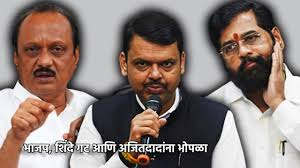
The BJP-led Maha Yuti alliance achieved a sweeping victory across the state, securing majorities in 25 of the 29 municipal corporations. They won approximately 1,425 seats out of nearly 2,868 contested.
2.2. Brihanmumbai Municipal Corporation (BMC)
In a historic shift, the alliance broke the decades-long dominance of the Thackeray-led Shiv Sena:
BJP: 89 seats
Shinde-led Shiv Sena: 29 seats
UBT Shiv Sena: 65 seats
MNS: 6 seats
Congress: 24 seats
AIMIM: 8 seats
NCP/SP/others: various small counts
The alliance crossed the majority mark with 118 seats out of 227, marking a major urban power shift.
2.3. Other Major Cities
Pune Municipal Corporation: BJP won 116 of 165 seats, far ahead of NCP (20) and Congress (15).
Navi Mumbai: BJP won 65 of 111 seats; Shiv Sena secured 43.
Nashik: BJP won 72 of 122 seats.
Nagpur: BJP emerged as the single largest party with 102 of 151 seats; Congress followed with 34.
2.4. AIMIM Gains
The All India Majlis-e-Ittehadul Muslimeen (AIMIM), led by Asaduddin Owaisi, made substantial gains—winning 126 seats across municipal corporations, up from just 56 previously. Their strongest performance was in Chhatrapati Sambhajinagar, where they secured 33 seats.
2.5. Unopposed Wins & Turnout
A notable 65–68 candidates (reports vary) were elected unopposed, mostly from the BJP (43–44), followed by Shiv Sena and NCP. The SEC is investigating the circumstances surrounding these uncontested victories.
Voter turnout remained modest at 54–55%, with urban centers like Mumbai, Pune, and Thane showing lower engagement. Analysts attributed this to urban apathy and administrative disconnect.
3. Political Reactions & Broader Implications
Chief Minister Devendra Fadnavis described the results as an “unprecedented endorsement” of the BJP–Maha Yuti alliance and credited development-focused governance and effective ground mobilization.
Prime Minister Narendra Modi hailed the results as a deepening bond between the NDA and Maharashtra’s electorate, praising the pro-people governance narrative.
The Supreme Court’s earlier directive, the scale of unopposed wins, and the low turnout in metros continue to fuel debates about democratic participation and administrative transparency.
Summary Table
Category
Key Highlights
Legal Mandate
SC ordered elections by Jan 31, 2026; phased polls in Dec 2025–Jan 2026
Overall Outcome
BJP-led alliance dominates 25/29 municipal corporations, wins ~1,425 seats
Mumbai (BMC)
BJP-Shinde alliance wins 118/227 seats; the Thackerays are ousted from dominance
Other Cities
BJP strong in Pune, Nashik, Nagpur, Navi Mumbai
AIMIM Performance
Gains to 126 seats; strong in Sambhajinagar and Vidarbha
Unopposed Wins
65–68 candidates won unopposed, mostly from BJP; SEC investigating
Voter Turnout
Around 54–55%, lower in urban centers
Political Impact
Boost for BJP narrative; questions on democratic engagement
YouTube, as the world’s largest video-sharing platform, is the primary destination for official trailers, teasers, behind-the-scenes footage, and cast interviews. The viral potential of YouTube content means that a well-crafted trailer can reach millions within hours, sparking global conversations and building anticipation.
Short video platforms capitalize on snackable, shareable content—such as quick clips, challenges, or memes—that can trend rapidly. Studios often collaborate with influencers or create official challenges to encourage user-generated content, enhancing organic reach and engagement.
Examples:
RRR (2022): The film’s trailer release on YouTube garnered over 100 million views, while dance challenges on TikTok and Instagram Reels helped the film trend internationally.
Barbie (2023): Warner Bros. used YouTube for trailer drops and partnered with TikTok for themed filters and challenges, generating viral buzz and massive pre-release interest.
Pathaan (2023): The official YouTube trailer broke records for most views in 24 hours, and short behind-the-scenes clips and dance challenges spread widely on Instagram Reels.
By harnessing the reach and engagement of YouTube and short video platforms, film promotions can build excitement, create viral moments, and drive audiences to theaters or streaming platforms.
A. TRAILER LAUNCHES, REACTION VIDEOS, INFLUENCER WATCH PARTIES
Here’s an overview of how YouTube and short video platforms are used for trailer launches, reaction videos, and influencer watch parties, with examples from international, national (Indian), and local/regional films.
1. Trailer Launches
International Example:
Avengers: Endgame (2019):
Marvel Studios launched the official trailer on YouTube, which broke viewership records with over 289 million views in 24 hours. The trailer’s release became a global event, shared across Instagram Reels and TikTok as fans remixed scenes and audio.
National (India) Example:
KGF: Chapter 2 (2022):
The trailer premiered on YouTube and amassed over 100 million views in just a few days, trending nationwide. Clips from the trailer were widely shared on Instagram Reels and Moj (an Indian short video platform).
Local/Regional Example:
Minnal Murali (Malayalam, 2021):
The trailer was released on YouTube and promoted via short clips on ShareChat and Josh (popular in South India), helping the film reach a broad regional audience.
2. Reaction Videos
International Example:
Spider-Man: No Way Home (2021):
Fans and influencers worldwide posted real-time reaction videos on YouTube within hours of the trailer launch. Some channels received millions of views, adding to the hype and spreading the trailer organically.
National (India) Example:
RRR (2022):
The movie’s trailer inspired countless Indian and international YouTubers to upload reaction videos, many trending in YouTube’s Top 10. We further clipped these reactions and shared them as short videos across Instagram Reels.
Local/Regional Example:
Sairat (Marathi, 2016):
Regional YouTube creators posted reaction and review videos, which boosted the film’s reach beyond Maharashtra, especially among the Marathi-speaking diaspora.
3. Influencer Watch Parties
International Example:
The Gray Man (2022, Netflix):
Netflix hosted YouTube and TikTok watch parties with international influencers who streamed their live reactions, encouraging fans to join and discuss in real time.
National (India) Example:
Gehraiyaan (2022, Amazon Prime Video):
Leading Bollywood influencers and digital creators were invited to virtual watch parties, sharing snippets of their reactions on Instagram Stories and Reels, boosting post-release engagement.
Local/Regional Example:
Jathi Ratnalu (Telugu, 2021):
Telugu YouTubers and local Instagram creators organized online watch parties, sharing highlights and memes on short video platforms, making the film viral within the Telugu-speaking community.
Summary Table
Platform
Trailer Launch
Reaction Videos
Influencer Watch Parties
International
Avengers: Endgame
Spider-Man: No Way Home
The Gray Man
National (India)
KGF: Chapter 2, RRR
RRR, KGF: Chapter 2
Gehraiyaan
Local/Regional
Minnal Murali, Sairat
Sairat, Jathi Ratnalu
Jathi Ratnalu
Conclusion: YouTube and short video platforms play a pivotal role in modern film promotion at every level—amplifying reach, building hype, and encouraging community participation through innovative digital experiences.
B. INDIAN PLATFORMS: SHARECHAT, CHINGARI, ROPOSO
Here’s a focused answer on how Indian short video platforms—ShareChat, Chingari, and Roposo—are used for film promotion, with illustrative case studies and examples from Indian and local films.
YouTube & Short Video Platforms for Film Promotion: Indian Platforms
1. ShareChat
About: ShareChat is a leading Indian social media and short video app available in 15+ regional languages, popular in Tier 2 and 3 cities.
Film Promotion Usage:
Case Study: Pushpa: The Rise (2021)
The film’s catchy songs and dialogues were promoted via ShareChat stickers and short video challenges in Telugu, Hindi, and other languages.
Users created thousands of lip-sync and dance videos to the song “Srivalli,” pushing organic reach even to non-metro audiences.
Example: KGF: Chapter 2 (2022)
ShareChat users widely shared the trailer and “Rocky Bhai” dialogues as short clips, memes, and status updates, contributing to the film’s trend in multiple languages.
2. Chingari
About: Chingari is a homegrown short video platform, popular for its viral content and “trending challenges.”
Film Promotion Usage:
Case Study: Bhool Bhulaiyaa 2 (2022)
The “Hare Ram” dance challenge was officially launched on Chingari, with influencers and users participating in the trend, leading to millions of views and boosting the song’s popularity.
Example: Local Films (e.g., Gujarati or Marathi releases)
Regional movie promotions often run hashtag challenges (e.g., “#DanceLikeHero”) on Chingari, leveraging local influencers to create buzz for film releases in their respective language belts.
3. Roposo
About: Roposo is a video-sharing social media platform that focuses on entertainment content across India’s major languages.
Film Promotion Usage:
Case Study: Liger (2022)
The film’s promotion included exclusive behind-the-scenes content and actor interactions on Roposo. Fans could duet with stars or create their own short videos using official film audio and stickers.
Example: Local Films (e.g., Kannada, Tamil)
Roposo partnered with film producers to offer early access to music tracks and exclusive snippets, encouraging user-generated content and meme creation, which helped local films gain visibility.
Summary Table
Platform
Case Study (National)
Local/Regional Example
ShareChat
Pushpa: The Rise, KGF 2
Status clips, memes for local films
Chingari
Bhool Bhulaiyaa 2
Marathi/Gujarati challenges
Roposo
Liger
Kannada/Tamil music launches
Conclusion: ShareChat, Chingari, and Roposo are vital for film promotion in India, especially for reaching vernacular and regional audiences. These platforms foster viral trends, influencer collaborations, and user-generated content, making them powerful tools for both national blockbusters and local films to build buzz and engagement across diverse Indian markets.
Branding establishes a unique identity through logos, names, and values, making products instantly recognizable in competitive markets. It builds emotional connections, encourages loyalty, and justifies premium pricing, as consumers trust familiar brands over generics. Strong branding also simplifies marketing efforts and supports higher customer retention.
Packaging Role
Packaging protects products from damage, extends shelf life, and enhances convenience during storage and transport. Beyond functionality, it promotes brand visibility with eye-catching designs that differentiate items on shelves and create a memorable unboxing experience. Custom packaging tells a brand’s story, boosting awareness among consumers and wholesalers.
Labeling Functions
Labeling provides essential details like ingredients, usage, price, and quality, empowering informed buying decisions and ensuring regulatory compliance. It aids product identification, prevents malpractices, and reinforces branding through clear, bold information. Effective labels build trust by transparently communicating value and features.
Importance in Rural Marketing
1. Branding
Trust Building: Rural consumers often rely on brand reputation, as personal recommendations and word-of-mouth are strong influences.
Simplified Choices: Brands help rural buyers identify quality and authenticity in unfamiliar product categories.
Emotional Connection: Strong brands can create emotional connections, especially when aligned with local values or aspirations.
Lifebuoy is a trusted brand in rural India due to consistent branding focused on health and hygiene. Their campaigns, such as “Swastya Chetna,” built trust and brand recall among rural consumers, making Lifebuoy a household name.
2. Packaging
Affordability and Accessibility: Innovative packaging (like sachets or smaller packs) makes products affordable for rural consumers with limited disposable income.
Protection: Packaging ensures products withstand harsh storage and transportation conditions in rural areas.
The introduction of low-cost shampoo sachets revolutionized rural personal care markets in India. By offering affordable, single-use packs, companies like Chik and Clinic Plus captured a vast rural customer base that couldn’t afford larger bottles.
3. Labeling
Local Language Communication: Labels in regional languages make products accessible and understandable.
Information Dissemination: Labels provide necessary usage information, expiry dates, and ingredients, which is crucial where literacy rates may be lower.
Trust and Authenticity: Proper labeling assures consumers about product genuineness and safety.
Parle-G uses simple, bold labeling with clear product images and regional language text, making it easy for rural buyers to identify. Tata Salt’s labeling emphasizes purity and health, addressing rural concerns about adulteration.
Case Studies
Case Study 1: Nirma Detergent
Nirma’s low-cost, brightly colored packaging and simple branding appealed directly to rural Indian homemakers.
The product’s jingle, mascot, and easy-to-recognize yellow packaging helped build strong recall and trust in villages.
Case Study 2: Colgate Toothpaste
Colgate invested in education-driven branding, such as oral health camps in rural areas.
Packaging in smaller tubes and local language labeling increased accessibility, adoption, and trust.
Key Takeaways
Branding builds trust and recall, which is vital where personal recommendations matter.
Packaging enables affordability and convenience, making products physically and economically accessible.
Labeling bridges communication gaps, ensuring information is clear and persuasive.
In summary:
Strong branding, smart packaging, and regional labeling are not just marketing tools—they’re essential strategies for success in rural markets, as seen in the above examples from India and other developing economies.
Importance in Rural Marketing
1. Branding
Trust and Reliability: Rural consumers often rely heavily on trust and word-of-mouth when choosing products. Strong brands become symbols of reliability.
Easy Recognition: In areas with lower literacy rates, recognizable logos and colors help consumers pick the right products.
Aspirational Value: Brands can represent modernity or status, influencing rural buying decisions.
Example: Nirma Detergent
Nirma’s simple, memorable branding and jingle made it a household name in rural India, appealing to consumers’ trust and aspirations for cleanliness.
2. Packaging
Affordable Pack Sizes: Small sachets and low-cost packs make products affordable for daily-wage earners and low-income families.
Protection: Robust packaging ensures products survive rough transportation and storage in rural areas.
Convenient Use: Easy-to-open and resealable packs suit rural consumers’ needs.
Example: Shampoo Sachets (Chik, Clinic Plus)
The introduction of shampoo in sachets allowed rural consumers to try and use branded shampoo at a low cost, leading to rapid market expansion.
3. Labeling
Local Language Instructions: Labels in regional languages make products understandable and accessible to non-English-speaking consumers.
Essential Information: Clear labeling assures consumers of quality, expiry dates, and authenticity.
Building Trust: Proper labeling helps fight counterfeiting—a major rural concern.
Example: Parle-G Biscuits
Parle-G uses distinctive, simple labeling in regional languages, making it instantly recognizable and trusted in rural areas.
Case Studies
Case Study 1: HUL’s Lifebuoy in Rural India
Branding: Lifebuoy focused on health and hygiene, values highly relevant in rural communities.
Packaging: Sold soaps in affordable small packs.
Labeling: Used regional languages, making the product accessible and trusted.
Case Study 2: Tata Salt
Branding: Marketed as “Desh Ka Namak” (the nation’s salt), building an emotional connection.
Labeling: Emphasized purity and iodization in local languages, educating rural consumers.
Summary Table
Aspect
Importance in Rural Marketing
Example
Branding
Builds trust, recognition, aspiration
Nirma, Lifebuoy
Packaging
Ensures affordability, protection, convenience
Chik/Clinic Plus Sachets
Labeling
Communicates quality, usage, and safety
Parle-G, Tata Salt
In conclusion:
Branding, packaging, and labeling are not just marketing tools; they are vital for building trust, ensuring accessibility, and driving product acceptance in rural markets. Successful companies tailor these elements specifically for rural consumers, as seen in the above examples.
The roots of the Kargil Conflict can be traced back to the long-standing territorial dispute between India and Pakistan over the region of Jammu and Kashmir. The Line of Control (LoC), established in 1972, demarcated the de facto border between the two nations in the region. In early 1999, Pakistani military forces, operating covertly, infiltrated across the LoC into the Indian-controlled territory of Kargil. Their objective was to capture strategic positions along the heights and disrupt Indian supply lines.
2. Key Events and Military Strategies
The conflict began to escalate when the Indian Army discovered the presence of Pakistani infiltrators on the Indian side of the LoC. India responded by launching Operation Vijay, a military campaign aimed at evicting the Pakistani forces from the infiltrated positions. The challenging terrain of the Kargil sector, located at high altitudes in the Himalayas, posed significant logistical and operational challenges for both sides.
The Indian military, utilizing a combination of ground forces, artillery, and airpower, initiated a series of counter-offensives to dislodge the entrenched Pakistani troops. The Indian Air Force played a crucial role in providing close air support and carrying out targeted strikes against enemy positions. The conflict witnessed intense combat, with both sides engaging in artillery duels, infantry assaults, and aerial dogfights.
3. International Diplomacy and Escalation
As news of the conflict spread, international pressure mounted on Pakistan to withdraw its forces from the Indian side of the LoC. The international community, including the United States, urged Pakistan to respect the sanctity of the Line of Control and resolve the dispute through diplomatic means. India, on the other hand, maintained that the infiltrators must be completely expelled before any negotiations could take place. The conflict witnessed a dangerous escalation when Pakistan attempted to widen the scope of the conflict by targeting Indian cities with cross-border shelling. This move heightened tensions between the two nations, with fears of a broader war and concerns over the nuclear capabilities of both countries.
4. Resolution and Aftermath
Despite the challenging terrain and intense combat, the Indian military gradually regained control of the infiltrated areas. Pakistan faced mounting international pressure and diplomatic isolation, leading to a decision to withdraw its forces. By July 26, 1999, India declared a complete military victory, and Pakistan began a phased withdrawal of its troops.
5. The Kargil Conflict had several significant implications
It underscored the importance of vigilance along the Line of Control, exposed vulnerabilities in border security, and highlighted the need for improved intelligence and surveillance capabilities. The conflict also served as a reminder of the nuclear threat posed by the neighboring nations and the potential risks associated with their ongoing territorial disputes.
The Kargil Conflict was a stark reminder of the volatile nature of the India-Pakistan relationship and the deep-rooted issues surrounding the region of Jammu and Kashmir. The conflict tested the military capabilities, resolve, and diplomatic channels of both nations. While it resulted in a military victory for India, the Kargil Conflict serves as a sobering reminder of the constant challenges and complexities faced in maintaining peace and stability in the region.
The Kargil Conflict, which took place between India and Pakistan in 1999, presented unique challenges for media coverage due to the remote mountainous terrain and the limited access journalists had to the conflict zone. Analyzing the Kargil Conflict from the media’s perspective reveals the role of media in shaping public opinion, the challenges faced by journalists in reporting on a sensitive military operation, and the impact of media coverage on the conduct of the conflict and subsequent diplomatic efforts.
Limited Access and Reporting Challenges
The Kargil Conflict unfolded in a geographically challenging region, making it difficult for journalists to access the conflict zone. The remote locations, rugged terrain, and hostile weather conditions presented significant logistical challenges for journalists. Limited access to the frontlines and the need to rely on official briefings and military press releases posed difficulties in providing comprehensive and independent reporting.
1. Embedding Journalists and Official Narratives
During the Kargil Conflict, embedding journalists with military units was not a prevalent practice. Journalists had to rely on official military statements and information provided by the government. This reliance raised concerns about potential biases and the framing of the conflict through the lens of official narratives. Journalists faced the challenge of balancing their access to information with their responsibility to provide objective reporting.
2. Coverage of Human Stories and Sacrifices
Despite the limitations, journalists sought to cover the human side of the conflict by reporting on the stories of soldiers, their sacrifices, and the impact on their families. This focus on human stories added depth and emotional resonance to media coverage, helping the public connect with the personal experiences and hardships faced by those involved in the conflict.
3. Nationalism, Patriotism, and Media
Media coverage of the Kargil Conflict in India was marked by a surge in nationalism and patriotism. Journalists were faced with the challenge of reporting on the conflict objectively while responding to public sentiment and expectations. The media played a role in shaping public opinion, fostering a sense of unity, and garnering support for the military operation.
4. Information War and Propaganda
The Kargil Conflict witnessed an information war, with both India and Pakistan attempting to control the narrative and manipulate public perception. Governments on both sides disseminated propaganda, highlighting their military successes and downplaying their losses. Journalists had to critically analyze the information provided by official sources and navigate through conflicting claims to present an accurate picture to the public.
5. Public Engagement and Media’s Role
Media coverage of the Kargil Conflict played a significant role in engaging the public and fostering a sense of national solidarity. The reporting provided updates on the progress of military operations, showcased the bravery of soldiers, and sought to rally public support for the war effort. The media acted as a bridge between the frontlines and the public, keeping the nation informed and invested in the outcome of the conflict.
6. Diplomatic Implications and Peace Efforts
Media coverage of the Kargil Conflict also had implications for diplomatic efforts and peace negotiations between India and Pakistan. The reporting helped shape the public discourse surrounding the conflict and influenced the political environment. The media played a role in holding the government accountable, scrutinizing decision-making, and providing insights into the diplomatic efforts aimed at resolving the conflict peacefully.
7. Aftermath and Lessons Learned
The media’s coverage of the Kargil Conflict raised important questions about the conduct of the war and subsequent lessons learned. Journalists reflected on the limitations of reporting in conflict zones, the importance of independent verification, and the need to critically analyze official narratives. The conflict highlighted the significance of the media’s role in shaping public opinion and the responsibility of journalists to present a comprehensive and accurate account of events.
Media coverage of the Kargil Conflict played a crucial role in shaping public understanding, fostering national unity, and influencing the diplomatic efforts that followed. Despite the challenges of limited access and reliance on official narratives, journalists strove to provide comprehensive reporting, highlighting the human stories, sacrifices, and impact of the conflict. Media coverage also brought forth the complexities of an information war and the need for critical analysis of official claims.
The media’s portrayal of the Kargil Conflict sparked a surge of patriotism and national unity, with journalists playing a pivotal role in engaging the public and rallying support for the military operation. However, this heightened nationalism also presented challenges in maintaining objective reporting and critical analysis. Journalists faced the delicate task of balancing their duty to inform the public with their responsibility to question and scrutinize official narratives.
The media coverage of the Kargil Conflict extended beyond national borders, with international media outlets reporting on the developments and diplomatic efforts. The coverage influenced diplomatic discussions, public perceptions, and peace negotiations between India and Pakistan. Journalists played a crucial role in holding the government accountable, scrutinizing decision-making processes, and facilitating informed public discourse on the conflict’s aftermath.
The lessons learned from the media’s coverage of the Kargil Conflict emphasized the importance of independent journalism, verification of information, and critical analysis of official narratives. Journalists faced the challenge of reporting on a sensitive military operation while maintaining objectivity and avoiding the pitfalls of propaganda. The conflict underscored the media’s role in shaping public opinion, fostering national unity, and influencing diplomatic outcomes.
In conclusion, the media’s coverage of the Kargil Conflict exemplified the challenges and responsibilities faced by journalists reporting on sensitive military operations. Despite limited access and reliance on official narratives, journalists sought to provide comprehensive reporting, highlight human stories, and engage the public in understanding the impact of the conflict. The media played a crucial role in fostering national unity, shaping public perceptions, and influencing diplomatic efforts. The lessons learned from the media’s coverage continue to inform the practice of journalism in conflict zones, emphasizing the importance of independence, critical analysis, and responsible reporting.
SURGICAL STRIKES ON PAKISTAN
Introduction
In response to the devastating terrorist attack on an Indian military base in Uri on September 18, 2016, India launched a bold and unprecedented operation known as the “surgical strike.” This meticulously planned military action aimed to strike terrorist launch pads across the Line of Control (LoC) in Pakistan-administered Kashmir. In this brief and detailed section, we will explore the circumstances leading up to the surgical strike, the execution of the operation, its strategic implications, and the aftermath.
Source Image: India Today
1. Background and Justification
The Uri attack, orchestrated by Pakistan-based terrorist groups, resulted in the loss of 19 Indian soldiers. The brazen assault on the military base sparked outrage and a strong desire for retribution among the Indian populace. The attack underscored the urgent need for India to respond to such acts of terrorism originating from across the border.
2. Execution of the Surgical Strike
On the intervening night of September 28-29, 2016, India’s Special Forces conducted a surgical strike across the LoC. The operation involved targeted strikes on multiple terrorist launch pads located in the vicinity of the LoC. Special Forces units infiltrated deep into enemy territory under the cover of darkness, neutralizing terrorists and destroying infrastructure without causing collateral damage or escalating the conflict.
The surgical strike showcased India’s military precision, with troops employing advanced surveillance equipment, night vision devices, and GPS-guided munitions to carry out the operation. The mission’s success hinged on maintaining secrecy, minimizing risks, and swiftly withdrawing after achieving its objectives.
3. Strategic Implications and Global Response
India’s surgical strike on Pakistan marked a significant departure from its previous restrained approach to cross-border counterterrorism operations. By directly targeting terrorist infrastructure on Pakistani soil, India aimed to send a clear message that it would not tolerate cross-border terrorism. The surgical strike demonstrated India’s willingness to take proactive measures to protect its national security interests.
4. The global response to the surgical strike was varied
While many nations, including the United States, expressed understanding of India’s concerns regarding terrorism, some called for restraint and de-escalation of tensions between the nuclear-armed neighbors. Pakistan denied the occurrence of any surgical strike and downplayed the incident as routine border skirmishes.
5. Aftermath and Future Implications
The surgical strike significantly impacted the dynamics between India and Pakistan. It signaled India’s resolve to respond decisively to terrorist attacks and put Pakistan on notice regarding its support for militant groups. The surgical strike also had domestic implications, boosting the morale of the Indian armed forces and garnering public support for the government’s strong stance against terrorism. However, the surgical strike did not eliminate the threat of terrorism completely. The incident underscored the need for sustained efforts to dismantle terrorist networks, enhance border security, and improve intelligence-sharing mechanisms to prevent future attacks.
India’s surgical strike on Pakistan in response to the Uri attack showcased the nation’s determination to combat cross-border terrorism and protect its national security interests. The operation exemplified precision, careful planning, and a commitment to minimizing collateral damage. While the surgical strike served as a strategic statement, it also highlighted the ongoing challenges posed by terrorism in the region and the need for continued efforts to address the root causes of such acts.
Analyzing the media’s perspective on the surgical strikes conducted by India on Pakistan reveals a complex interplay between patriotism, media coverage, and the challenges of reporting on sensitive military operations. The surgical strikes, which took place in 2016 and 2019, were significant events that garnered widespread attention and sparked intense media coverage. Examining the media’s role in reporting these strikes sheds light on the challenges faced by journalists, the influence of nationalism and public sentiment, and the ethical considerations that come into play.
6. Limited Access and Information Control
Reporting on surgical strikes presented unique challenges due to limited access to the actual operations and the high level of information control by the respective governments. Journalists faced restrictions on entering the conflict zones and gathering firsthand information. They had to rely on official statements, government briefings, and military sources, which raised concerns about the potential bias and the need for independent verification.
7. Nationalism, Jingoism, and Media Coverage
The surgical strikes invoked strong nationalist sentiments in India, which had a significant impact on media coverage. Journalists faced the challenge of balancing their responsibility to provide accurate and objective reporting with the expectations and sentiments of the public. The media played a role in fostering patriotism and national unity, often amplifying the government’s narrative and evoking jingoistic sentiments.
8. Verification and Independence
The veracity of surgical strikes was a subject of debate and skepticism, particularly from the Pakistani side. Journalists had the responsibility to verify the facts and independently corroborate the claims made by the government. The challenge of obtaining reliable information, given the sensitive nature of the operations, required journalists to exercise caution and seek multiple perspectives to ensure accurate reporting.
9. Propaganda and Counter-Narratives
The surgical strikes triggered a battle of narratives and propaganda between India and Pakistan. Both sides sought to shape public perception through media channels and social media platforms. Journalists had to navigate through conflicting claims, propaganda, and disinformation campaigns, emphasizing the need for critical analysis and fact-checking to present an accurate picture to the public.
10. Ethical Considerations and Sensationalism
Reporting on sensitive military operations like surgical strikes raised ethical dilemmas for journalists. They had to balance the duty to inform the public with the potential risks of compromising national security or escalating tensions. Sensationalism and exaggeration were potential pitfalls that journalists had to avoid, ensuring responsible reporting and maintaining the public’s trust.
11. International Coverage and Diplomatic Implications
The surgical strikes received significant international attention, with media outlets around the world reporting on the developments and their implications. Journalists played a role in shaping international perceptions, influencing diplomatic discussions, and generating debates on the escalation of tensions between India and Pakistan. Reporting on the strikes required a nuanced understanding of regional dynamics and geopolitical implications.
12. Social Media and Instantaneous Reporting
The advent of social media platforms intensified the speed and reach of information dissemination during the surgical strikes. Journalists had to grapple with the challenges of handling unverified information, rumors, and the rapid spread of unfiltered narratives. The responsibility to fact-check, verify sources, and present accurate information became even more crucial in this era of instant reporting.
13. Public Sentiment and Media Accountability
The media’s coverage of the surgical strikes played a significant role in shaping public sentiment and influencing public opinion on national security issues. However, media accountability and responsible reporting became crucial in avoiding misinformation, sensationalism, and the manipulation of public sentiment. Journalists were under scrutiny to maintain objectivity and adhere to ethical standards amidst intense nationalistic fervor.
The media’s coverage of the surgical strikes on Pakistan exemplified the complexities and challenges faced by journalists reporting on sensitive military operations. Balancing the responsibility to inform the public with the need for independent verification and critical analysis proved to be essential. The media’s role in fostering nationalism, shaping public sentiment, and navigating the battle of narratives between India and Pakistan was evident in the coverage of the surgical strikes. Journalists were tasked with maintaining their independence and providing accurate reporting while being mindful of the potential for propaganda and sensationalism.
14. Ethical considerations
Ethical considerations played a crucial role in the media’s coverage of the surgical strikes. Journalists had to carefully weigh the potential risks of compromising national security or escalating tensions against the public’s right to be informed. Responsible reporting necessitated verifying facts, seeking multiple perspectives, and presenting a balanced view of the events.
The emergence of social media as a powerful platform during the surgical strikes added a new layer of complexity to media coverage. Journalists had to contend with the rapid dissemination of unverified information and the need to counteract misinformation and disinformation. Fact-checking and responsible use of social media became imperative in ensuring accurate reporting and countering potential biases.
International media coverage of the surgical strikes had diplomatic implications, with journalists playing a role in shaping international perceptions and influencing diplomatic discussions. Understanding the geopolitical context and presenting a nuanced view of the events became essential in accurately portraying the situation and avoiding further escalation.
The media’s accountability to the public was a critical aspect of the coverage. Journalists were under scrutiny to maintain objectivity, adhere to journalistic standards, and provide accurate and unbiased reporting. Journalistic integrity and transparency were key in maintaining public trust, particularly during a time of heightened nationalism and emotionally charged events.
Conclusion
The coverage of the surgical strikes demonstrated the evolving role of the media in reporting on sensitive military operations. Journalists faced challenges of limited access, verification of information, and navigating the complexities of nationalism and propaganda. Ethical considerations and responsible reporting were paramount in ensuring accurate and unbiased coverage, while social media added new dimensions and challenges to the media landscape.
In conclusion, the media’s perspective on the surgical strikes reflected the intricate dynamics of reporting on sensitive military operations. Journalists had to navigate through limited access, nationalist sentiments, propaganda, and ethical considerations to provide accurate and responsible reporting. The media’s role in shaping public sentiment, influencing international perceptions, and upholding journalistic integrity played a significant role in the coverage of the surgical strikes and its subsequent impact on public discourse and diplomatic efforts.